

European Rare and Inhibitor Network (ERIN)
Did you know that 5% of the world’s population are currently living with or affecting by a rare disorder?
Disease-based
About the ERIN
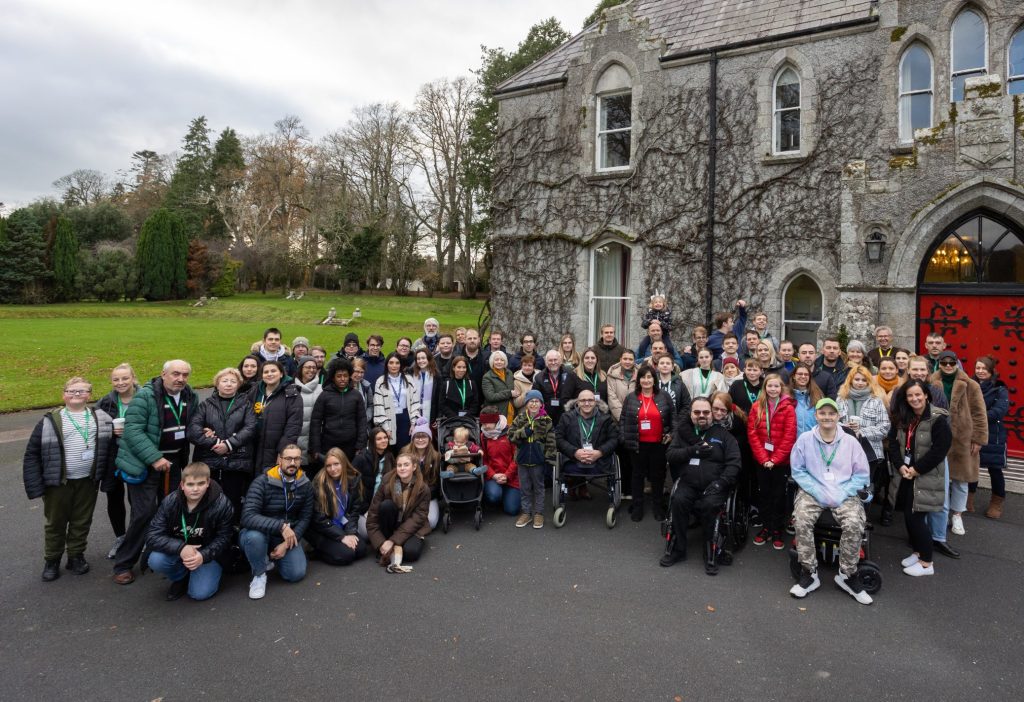
In 2022, the EHC Inhibitor Working Group evaluated the achievements of the inhibitor programme, coming to the conclusion that largely the initial objectives have been met and it was time to set new goals and to capitalise on the achievements of the network. So, it was decided to expand the network built for and with people with inhibitors to work on a better inclusion of people with ultra-rare bleeding disorders. This cohort of our community are still dealing with a lack of information about their condition and also a lack of treatment options, leading to the heavy burden of isolation and loneliness in terms of their inclusion in the bleeding disorder community.
To best serve the needs of all this encompassed in the ERIN, a three-fold route will be taken.
Track 1: Providing information, education and training to people with ultra rare bleeding disorders.
Track 2: Ensuring the transfer of knowledge into the local inhibitor communities.
Track 3: Advocacy, and better treatment and care for all.
Awareness Campaign
Extremely Rare Bleeding Disorder of the Month: Factor V Deficiency
This February, we turn our attention to Factor V deficiency.
Congenital Factor V deficiency can affect people at any stage of life, though the most severe cases often appear early in childhood. People living with this condition may experience frequent nosebleeds, easy bruising, bleeding from the mouth or gums, bleeding into soft tissues or joints, and longer-than-normal bleeding after injuries. Bleeding can also be heavier or last longer during or after surgery, childbirth, or accidents.
Women and girls may experience very heavy menstrual bleeding. In the most severe cases, there is a risk of serious internal bleeding, such as in the head, lungs, or digestive system. The severity of symptoms usually depends on how low a person’s Factor V levels are.
Currently, the only available treatment is fresh frozen plasma, which helps replace the missing clotting factor. In emergencies involving severe bleeding, platelet transfusions may also be used to support clotting.
Learn more on ehc.eu – here
More resources – here
Share the story! Raise awareness! Help the cause!
ERIN Committee Members
Ireland
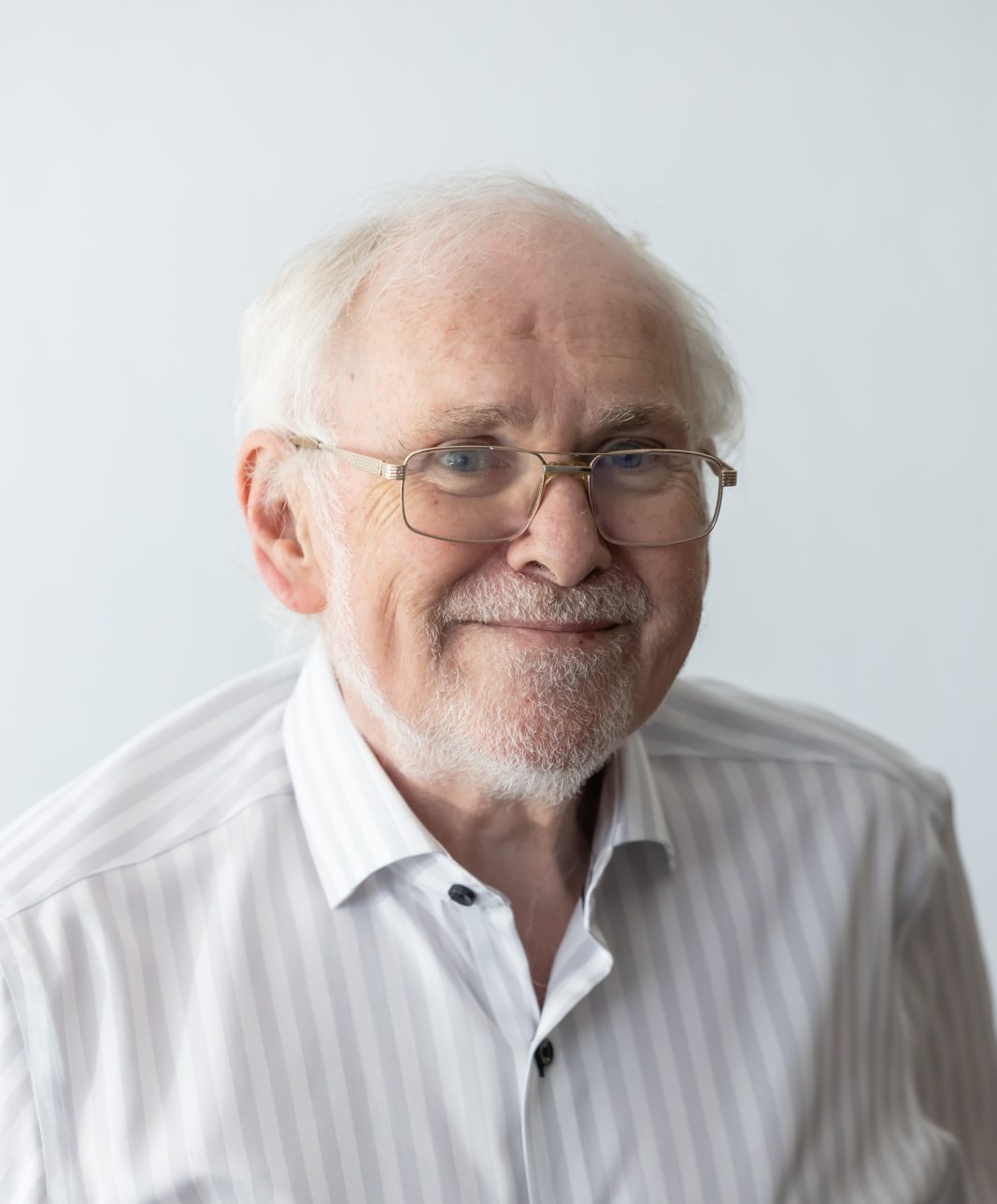
Jim O’Leary
Chair
Ireland

Alison Dougall
Committee Member
UK
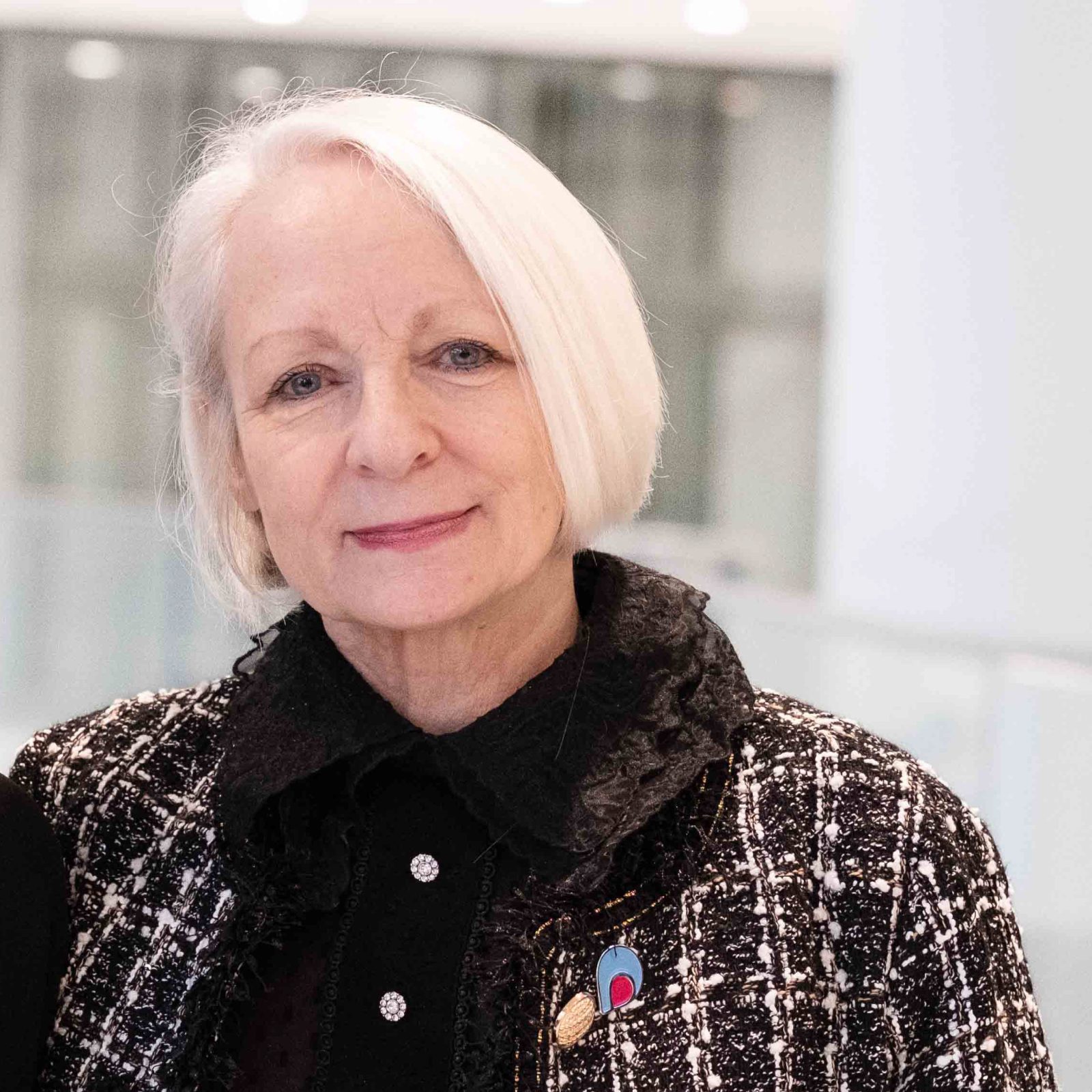
Christina Burgess
Committee Member
UK
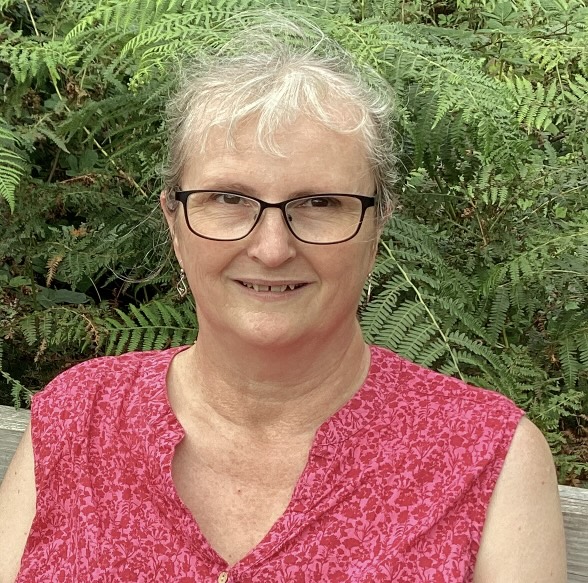
Chris Baugh
Committee Member
Croatia

Dominik Ćepić
Committee Member
Denmark
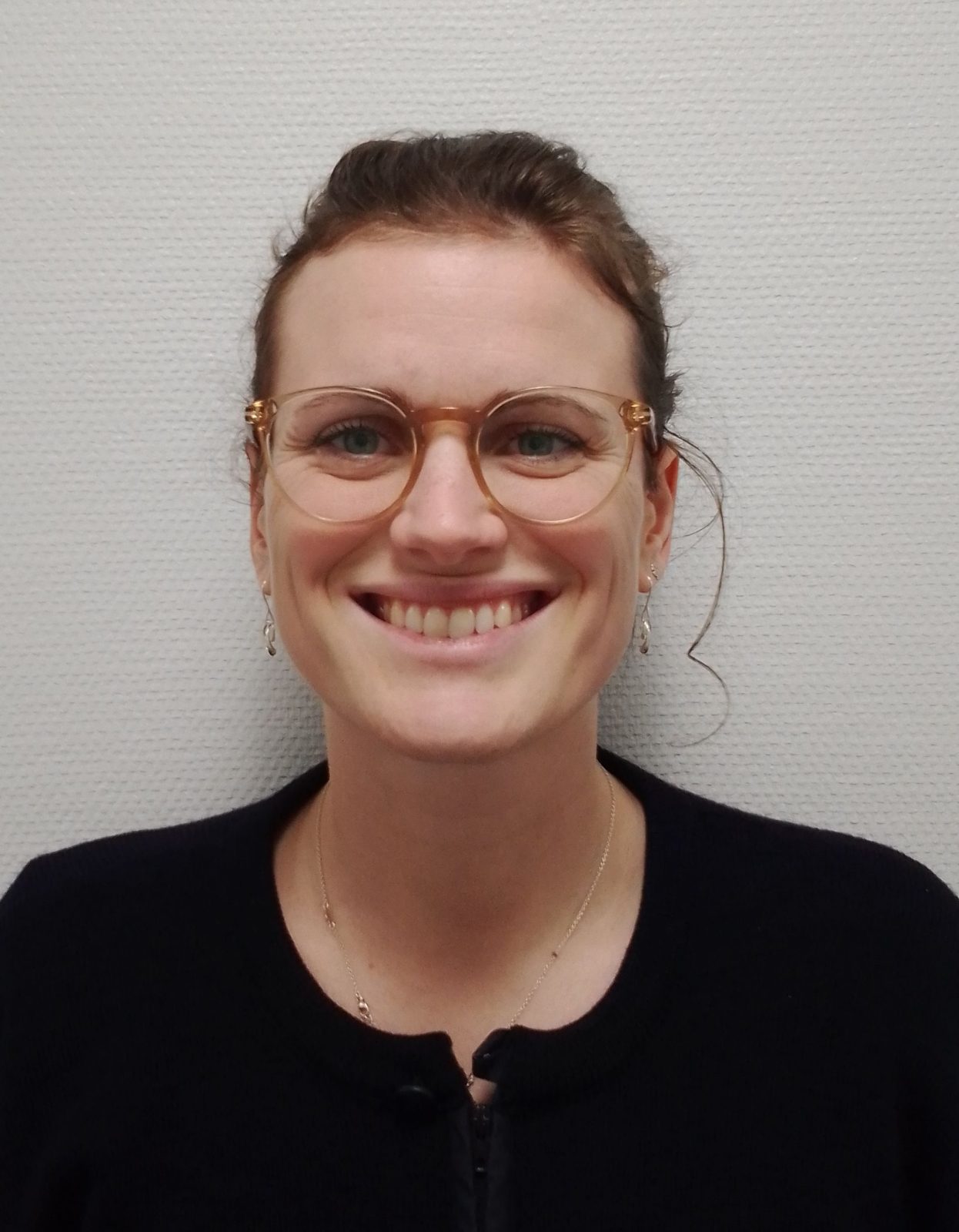
Maja Johanne Søndergaard Knudsen
Committee Member
Italy
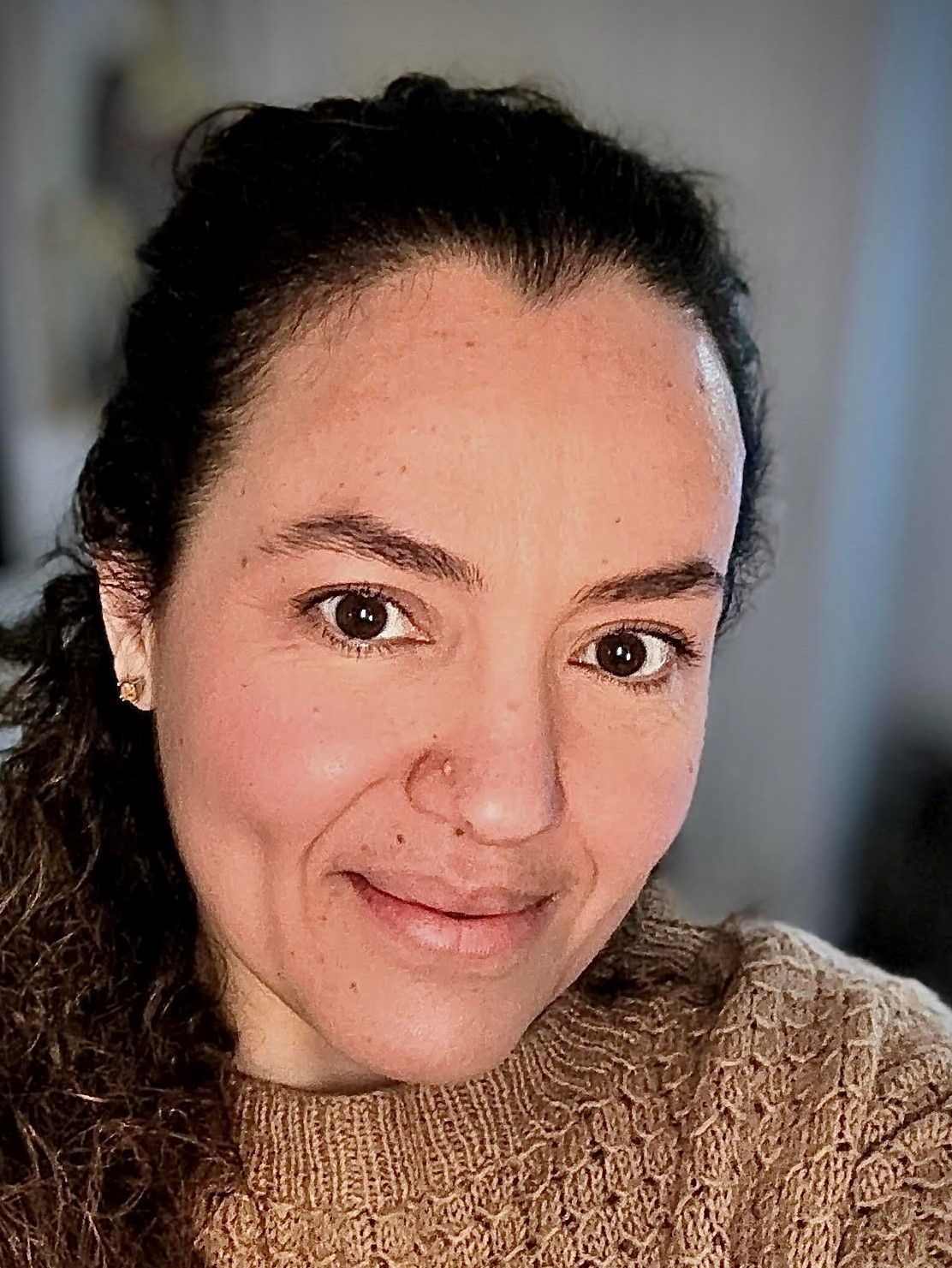
Maria Elisa Mancuso
Advisor
Portugal
Marina Pimentel
Committee Member
Malta
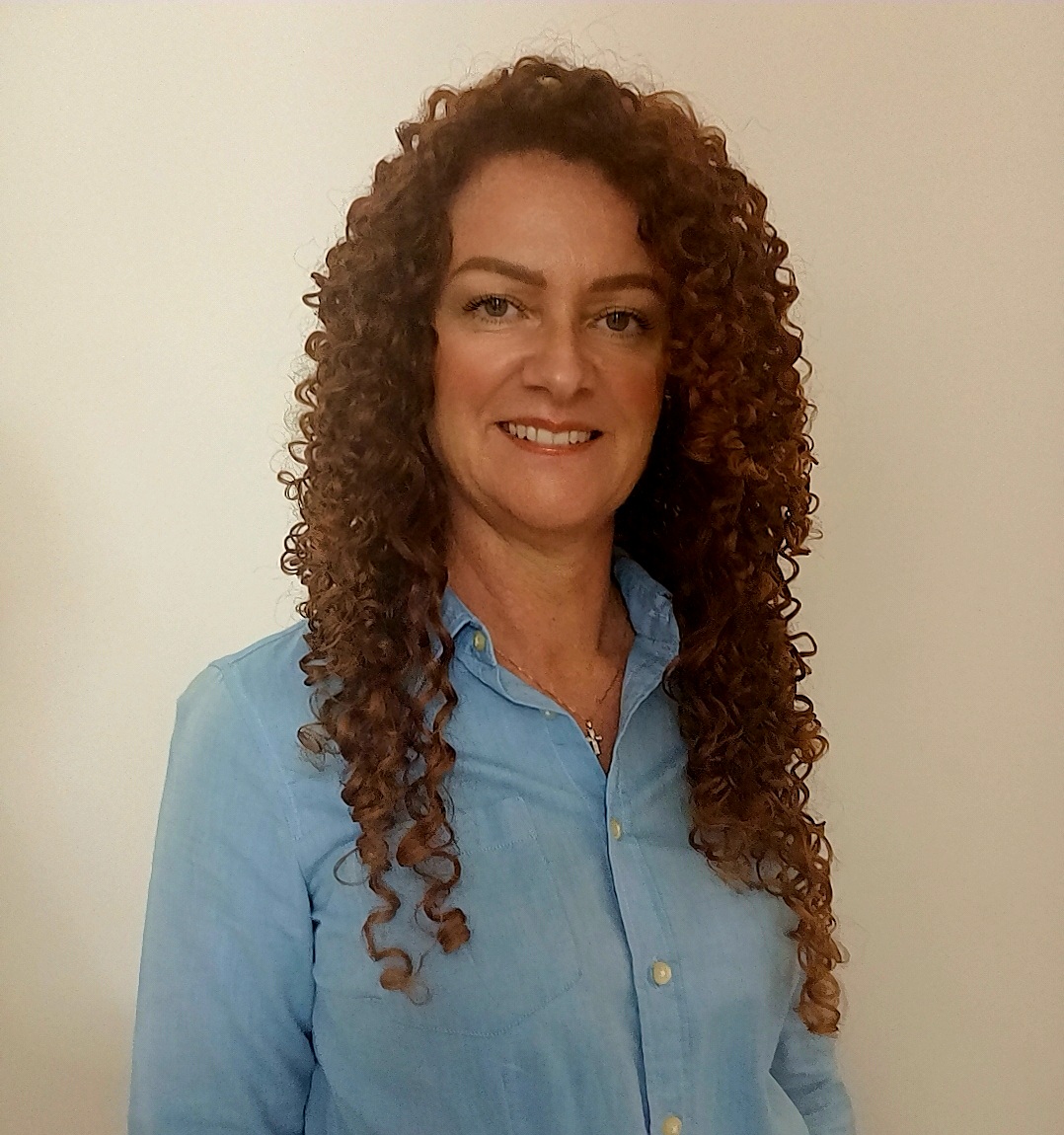
Jacqueline Cilia
Committee Member
Portugal
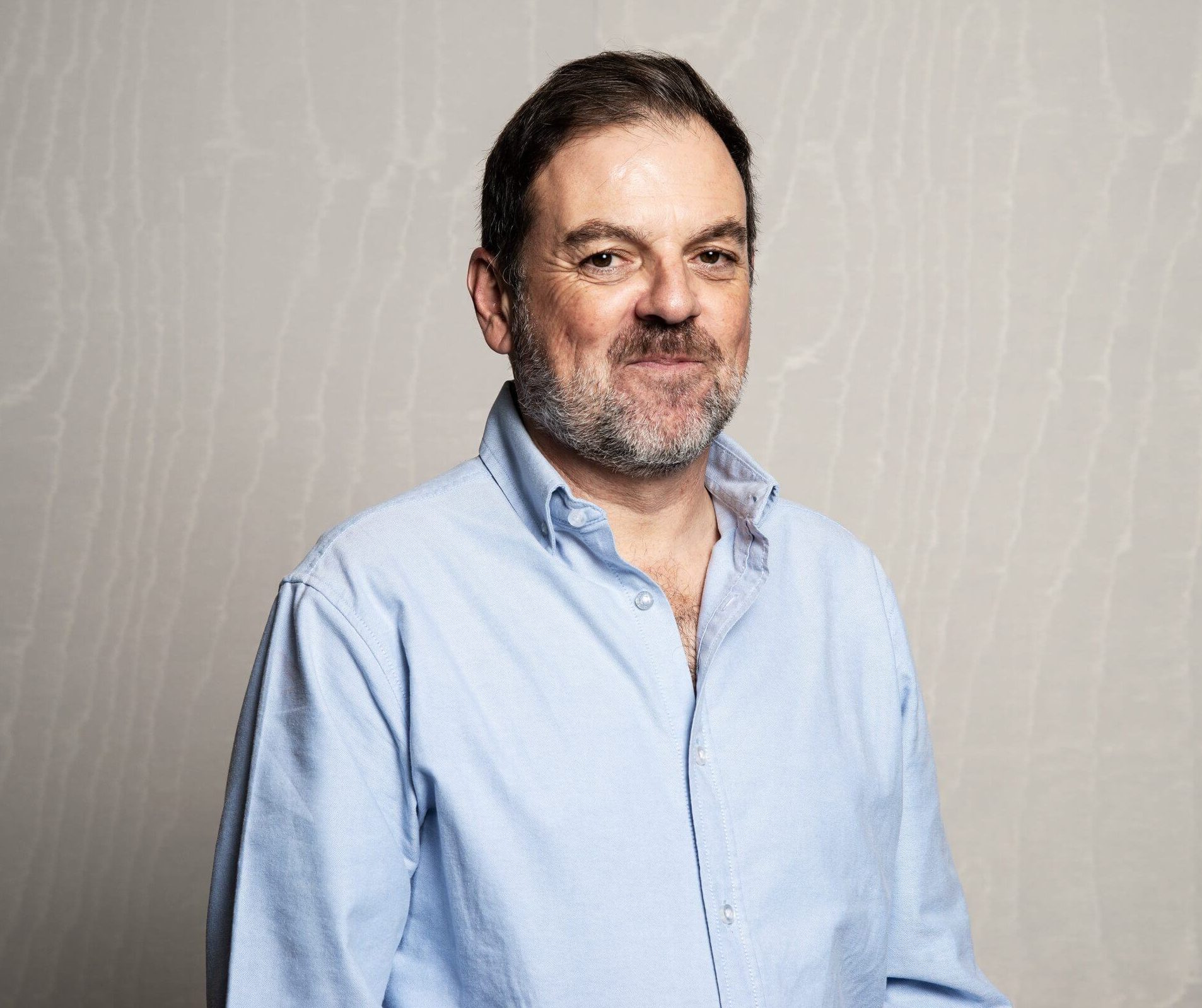
Miguel Crato
EHC Steering Committee Liaison

Materials

