
European Rare and Inhibitor Network (ERIN)
Did you know that 5% of the world’s population are currently living with or affecting by a rare disorder?

Disease-based
About the ERIN
In 2022, the EHC Inhibitor Working Group evaluated the achievements of the inhibitor programme, coming to the conclusion that largely the initial objectives have been met and it was time to set new goals and to capitalise on the achievements of the network. So, it was decided to expand the network built for and with people with inhibitors to work on a better inclusion of people with extremely rare bleeding disorders. This cohort of our community are still dealing with a lack of information about their condition and also a lack of treatment options, leading to the heavy burden of isolation and loneliness in terms of their inclusion in the bleeding disorder community.
To best serve the needs of all this encompassed in the ERIN, a three-fold route will be taken.
Track 1: Providing information, education and training to people with extremely rare bleeding disorders.
Track 2: Ensuring the transfer of knowledge into the local inhibitor communities.
Track 3: Advocacy, and better treatment and care for all.
Awareness Campaign
Extremely Rare Bleeding Disorder of the Month: Storage Pool Deficiencies
This October, we focus on raising awareness of Storage Pool Deficiencies (SPD), a group of rare platelet disorders caused by abnormalities in the granules within platelets or in the release of substances stored in these granules. These substances play an important role in platelet activation, aggregation, and the formation of an effective blood clot. When platelet granules are deficient, abnormal, or do not release their contents properly, normal haemostasis can be impaired, increasing the risk of prolonged or excessive bleeding.
Storage Pool Deficiencies include several different platelet disorders, with abnormalities involving dense (delta) granules, alpha granules, or both. Delta storage pool deficiency (δ-SPD), one of the recognised forms, is characterised by a reduction or dysfunction of platelet dense granules and their contents, including substances such as ADP and serotonin that help promote platelet activation and aggregation. Storage Pool Deficiencies may occur as isolated inherited disorders or as part of other inherited conditions, and acquired forms have also been described. Their genetic background and inheritance patterns therefore vary depending on the specific disorder.
People living with Storage Pool Deficiencies may experience easy bruising, frequent nosebleeds, heavy menstrual bleeding, prolonged bleeding following dental procedures or surgery, excessive bleeding after injuries, or increased bleeding during and after childbirth. The severity and pattern of bleeding can vary considerably between individuals, even among people with the same type of platelet disorder. Although bleeding is often mild to moderate, significant or occasionally severe bleeding can occur, particularly following surgery, invasive procedures, or childbirth.
Diagnosing Storage Pool Deficiencies can be challenging because routine blood tests, including platelet counts and standard coagulation tests, may be normal. Diagnosis generally requires a detailed personal and family bleeding history together with specialised platelet investigations, such as platelet function and aggregation testing and assessment of platelet granules. Electron microscopy can be particularly important in identifying abnormalities of platelet dense granules. Because these specialised investigations may not be routinely available, referral to a specialised haemostasis or platelet disorder centre may be necessary.
Treatment is personalised according to the specific disorder, bleeding history, and clinical situation. Many people require treatment primarily when facing surgery, dental procedures, trauma, or other situations associated with an increased risk of bleeding. Depending on the individual and the type and severity of the disorder, management may include antifibrinolytic medicines such as tranexamic acid, desmopressin in selected cases, or platelet transfusions for significant bleeding or when other measures are insufficient. Preventive planning before procedures is an important part of care
Because Storage Pool Deficiencies are rare and their clinical presentation can vary widely, diagnosis may be delayed or overlooked. Increasing awareness among healthcare professionals and the wider community is essential to support recognition of abnormal bleeding, appropriate diagnostic investigations, personalised risk assessment, and access to specialised care
Raising awareness of Storage Pool Deficiencies is an important step toward improving diagnosis, advancing research, and ensuring better care and support for people living with rare platelet disorders.
If you are interested in learning more about the disorder:
Read more about it in our space dedicated to Storage Pool Deficiencies – here
Learn more about Platelet Delta (δ) Storage Pool Deficiency – here
Share the story! Raise awareness! Help the cause!
ERIN Committee Members
Ireland

Jim O’Leary
Chair
Ireland

Alison Dougall
Committee Member
UK

Christina Burgess
Committee Member
UK

Chris Baugh
Committee Member
Croatia

Dominik Ćepić
Committee Member
Denmark
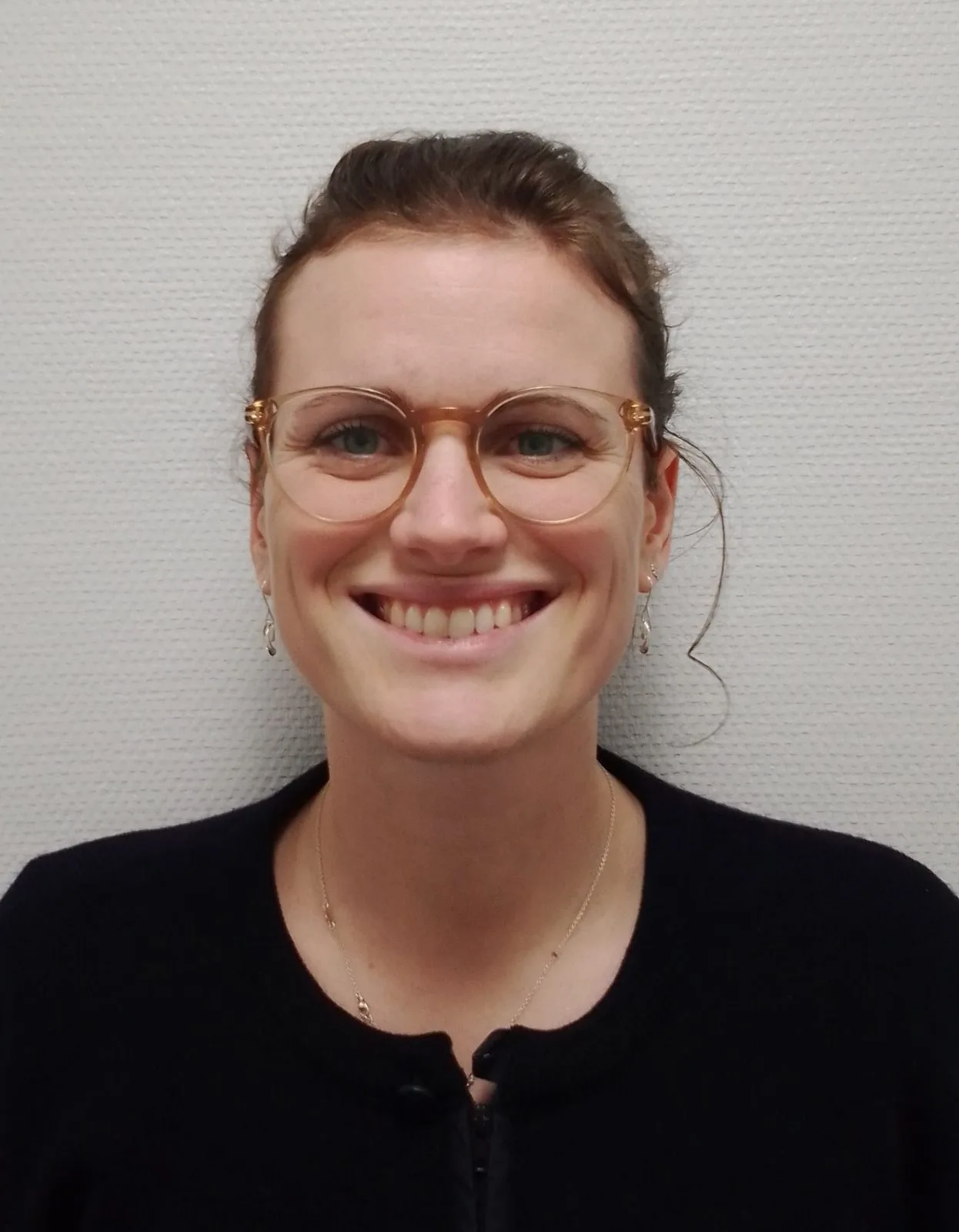
Maja Johanne Søndergaard Knudsen
Committee Member
Italy

Maria Elisa Mancuso
Advisor
Portugal

Marina Pimentel
Committee Member
Malta
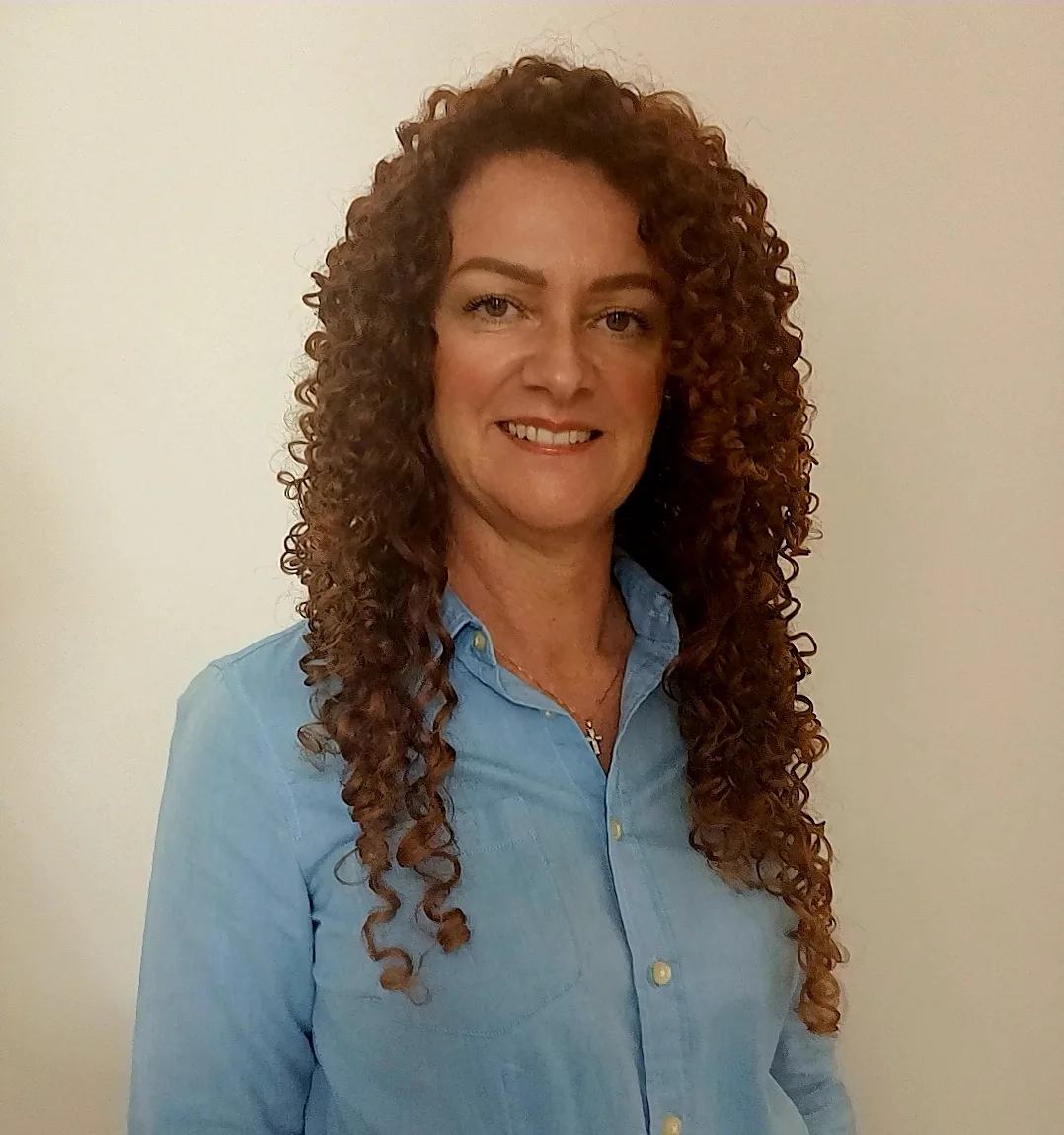
Jacqueline Cilia
Committee Member
Italy

Samuel Compagnin
EHC Steering Committee Liaison


Materials

