
European Rare and Inhibitor Network (ERIN)
Did you know that 5% of the world’s population are currently living with or affecting by a rare disorder?
Disease-based
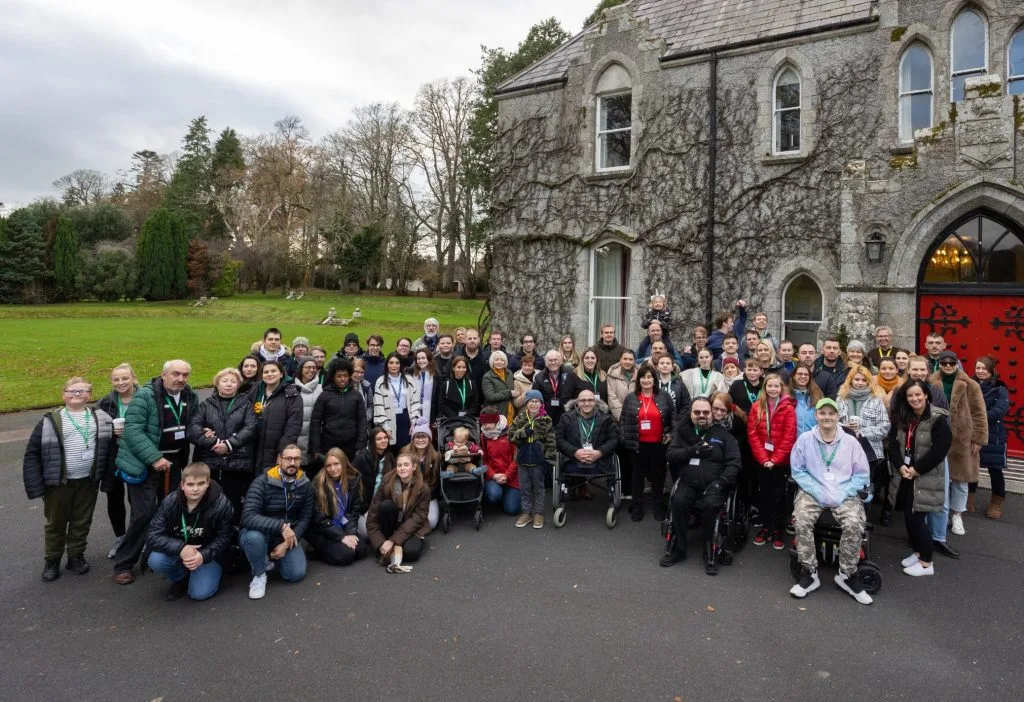
About the ERIN
In 2022, the EHC Inhibitor Working Group evaluated the achievements of the inhibitor programme, coming to the conclusion that largely the initial objectives have been met and it was time to set new goals and to capitalise on the achievements of the network. So, it was decided to expand the network built for and with people with inhibitors to work on a better inclusion of people with extremely rare bleeding disorders. This cohort of our community are still dealing with a lack of information about their condition and also a lack of treatment options, leading to the heavy burden of isolation and loneliness in terms of their inclusion in the bleeding disorder community.
To best serve the needs of all this encompassed in the ERIN, a three-fold route will be taken.
Track 1: Providing information, education and training to people with extremely rare bleeding disorders.
Track 2: Ensuring the transfer of knowledge into the local inhibitor communities.
Track 3: Advocacy, and better treatment and care for all.
Awareness Campaign
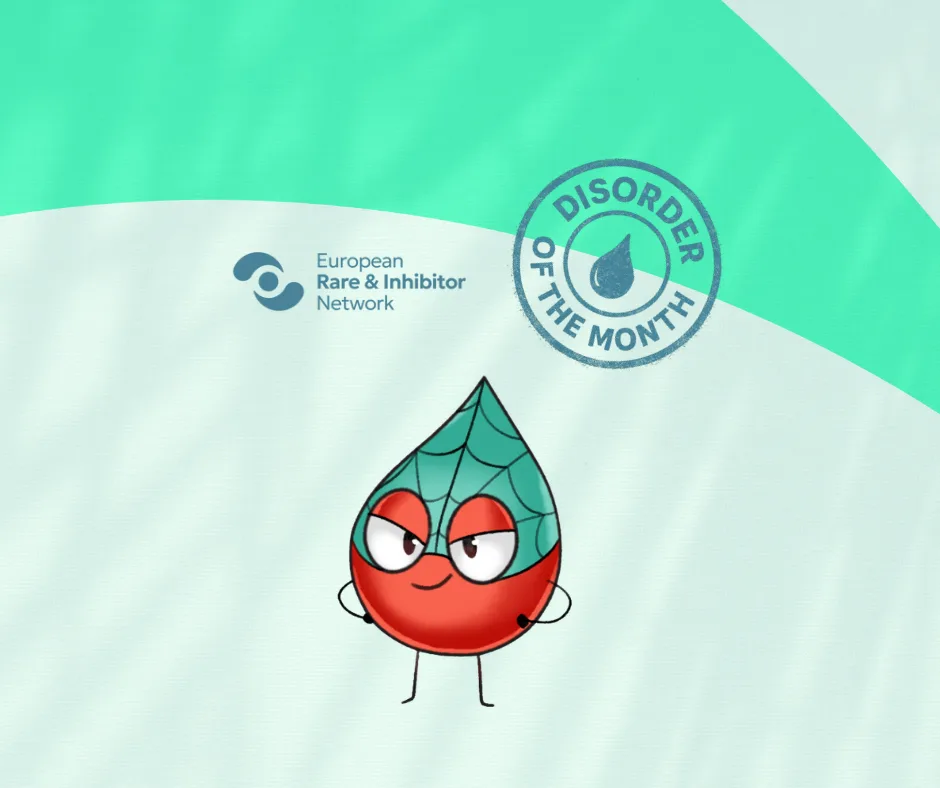
Extremely Rare Bleeding Disorder of the Month: Factor XI deficiency
This September, we focus on raising awareness of Factor XI (FXI) deficiency, a rare inherited bleeding disorder caused by a deficiency or dysfunction of coagulation factor XI, a protein involved in the body’s blood clotting process.
Factor XI deficiency occurs when coagulation factor XI is absent, reduced, or does not function properly. Factor XI plays an important role in supporting the formation of stable blood clots by helping to generate sufficient thrombin during the coagulation process. When factor XI activity is reduced, blood clotting may be impaired, increasing the risk of prolonged bleeding, particularly following surgery, dental procedures, trauma, or childbirth. The condition is usually inherited in an autosomal recessive manner, meaning an individual inherits an altered copy of the F11 gene from each parent, although some people with a single altered gene may also experience bleeding symptoms.
Factor XI deficiency is a rare inherited coagulation disorder worldwide, although it occurs more frequently in people of Ashkenazi Jewish ancestry due to inherited genetic variants. Unlike many other bleeding disorders, the severity of bleeding does not reliably correlate with factor XI levels in the blood, making diagnosis and clinical management particularly challenging. Many individuals have few or no symptoms until they undergo surgery, sustain an injury, or have an invasive medical or dental procedure.
People living with factor XI deficiency may experience prolonged bleeding after surgery or dental procedures, excessive bleeding following injuries, frequent nosebleeds, easy bruising, heavy menstrual bleeding, or excessive bleeding after childbirth. Spontaneous bleeding into joints and muscles is uncommon, distinguishing factor XI deficiency from severe haemophilia A and B. While life-threatening bleeding, including intracranial haemorrhage, is rare, it can occur in some individuals.
Due to its variable clinical presentation and the poor relationship between factor XI levels and bleeding risk, individuals with factor XI deficiency may experience delays in diagnosis or uncertainty regarding treatment decisions. Increasing awareness among healthcare professionals and the wider community is essential to support early recognition, personalised risk assessment, appropriate treatment planning, and access to specialised care.
Raising awareness of Factor XI deficiency is an important step toward improving diagnosis, advancing research, and ensuring better care and support for people living with rare bleeding disorders.
If you are interested in learning more about the disorder:
Read more about it in our space dedicated to Factor XI deficiency – here
Learn more about Factor XI deficiency here, or read the article here
Share the story! Raise awareness! Help the cause!
ERIN Committee Members
Ireland
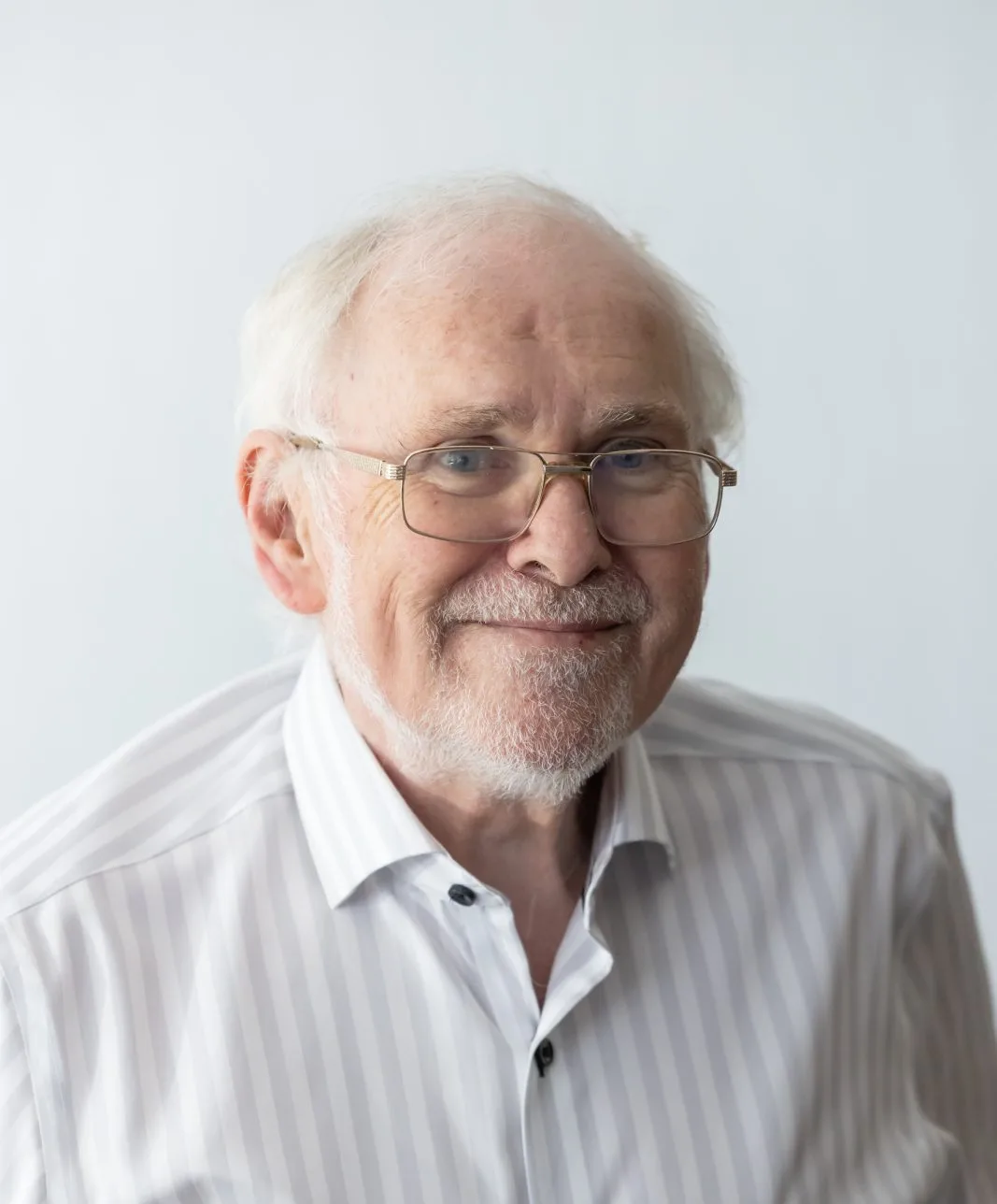
Jim O’Leary
Chair
Ireland
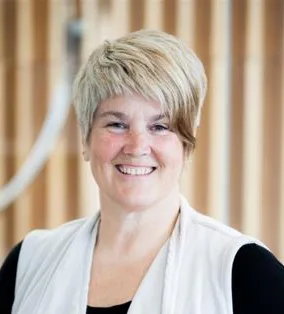
Alison Dougall
Committee Member
UK
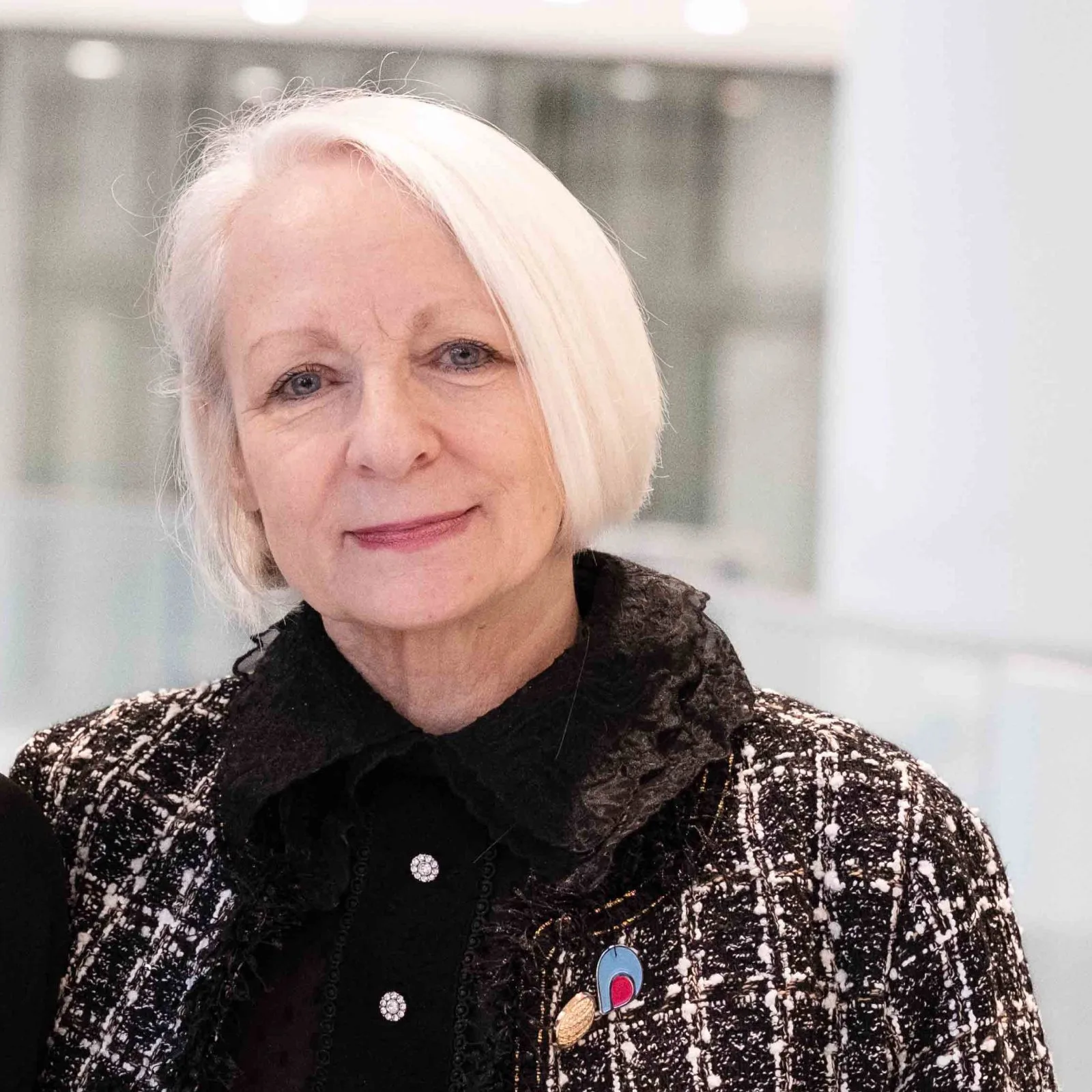
Christina Burgess
Committee Member
UK
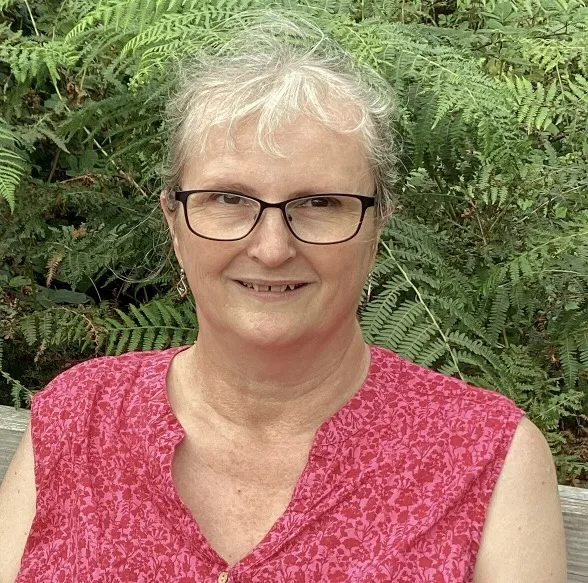
Chris Baugh
Committee Member
Croatia

Dominik Ćepić
Committee Member
Denmark
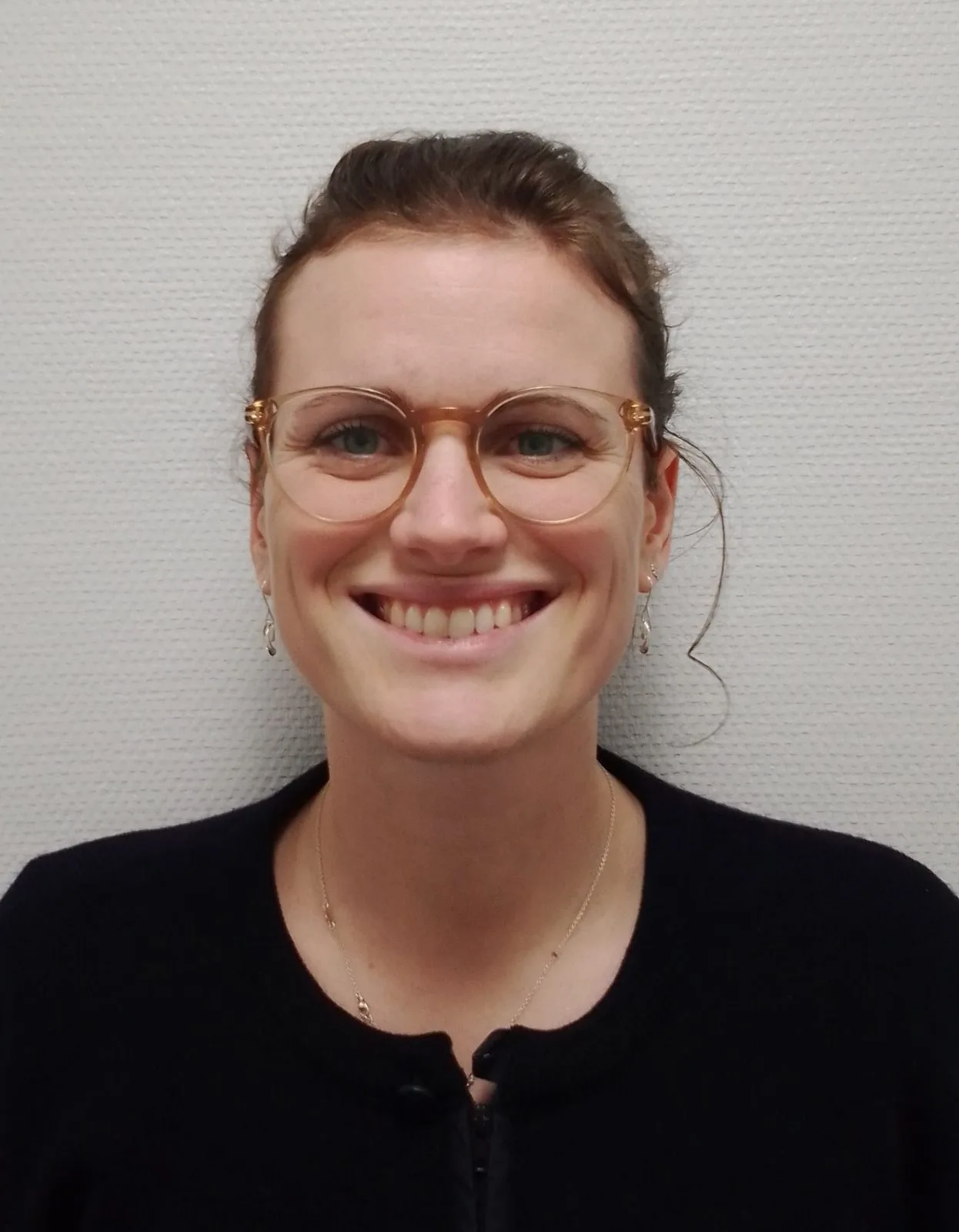
Maja Johanne Søndergaard Knudsen
Committee Member
Italy
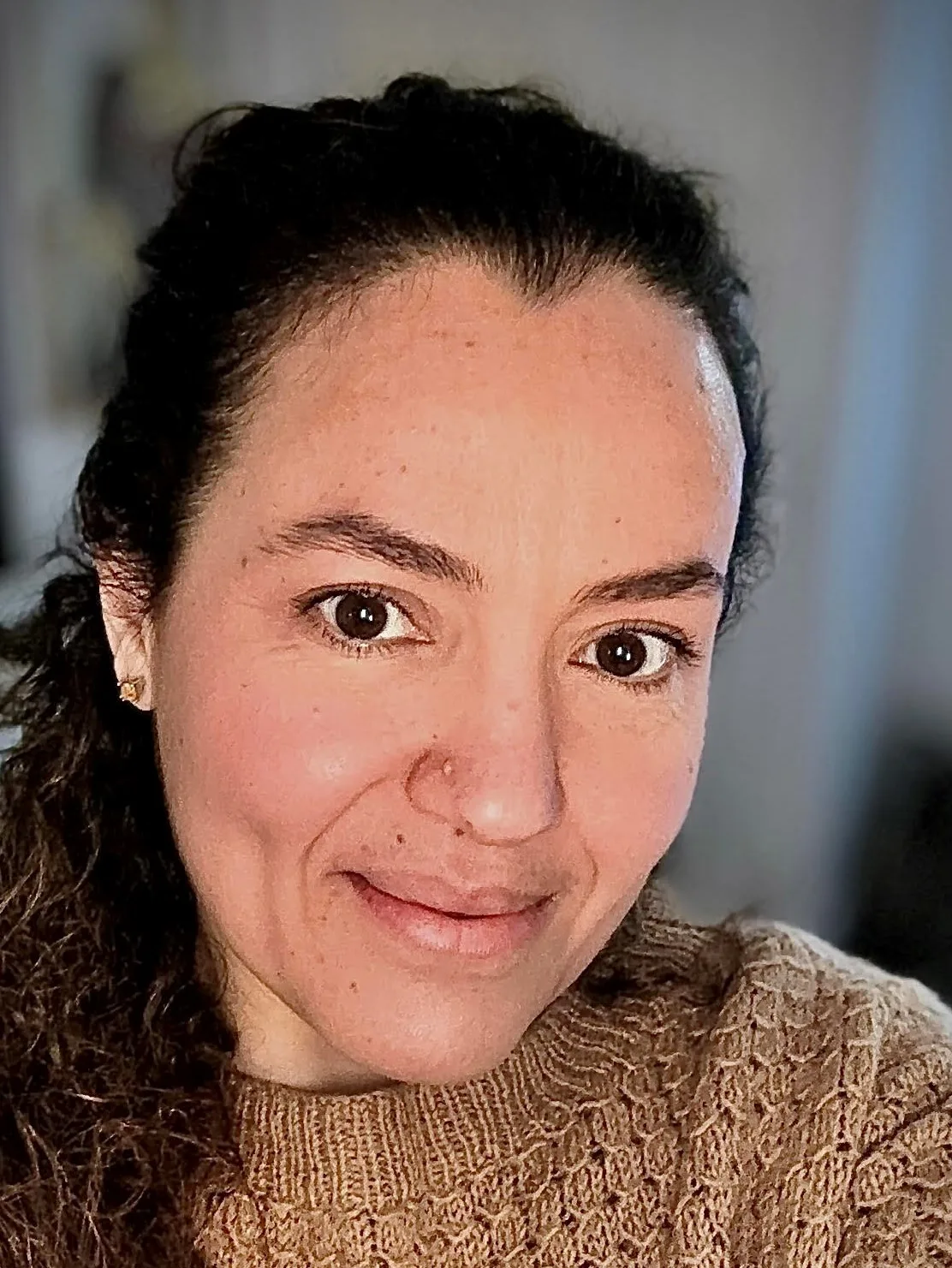
Maria Elisa Mancuso
Advisor
Portugal
Marina Pimentel
Committee Member
Malta
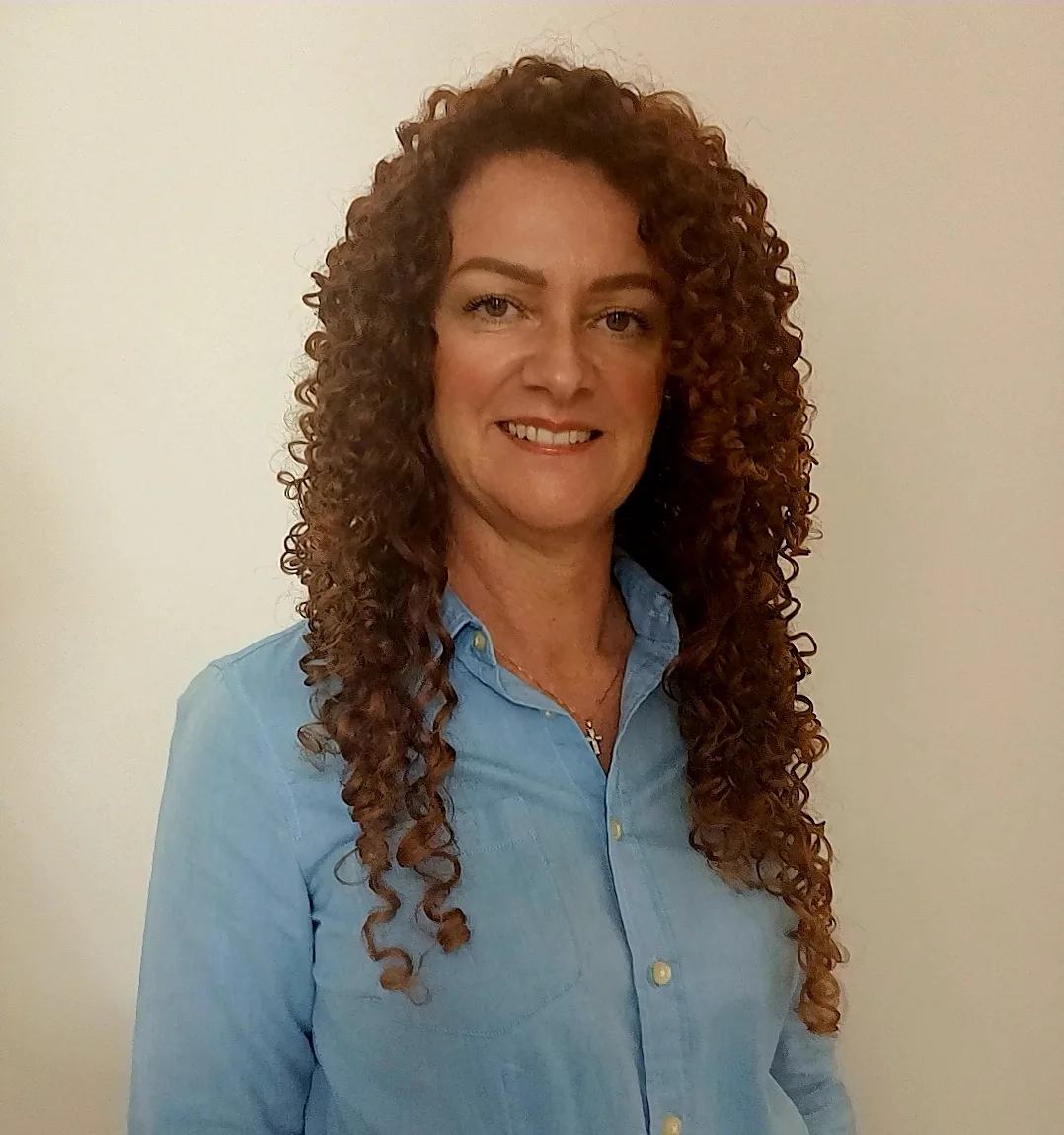
Jacqueline Cilia
Committee Member
Italy
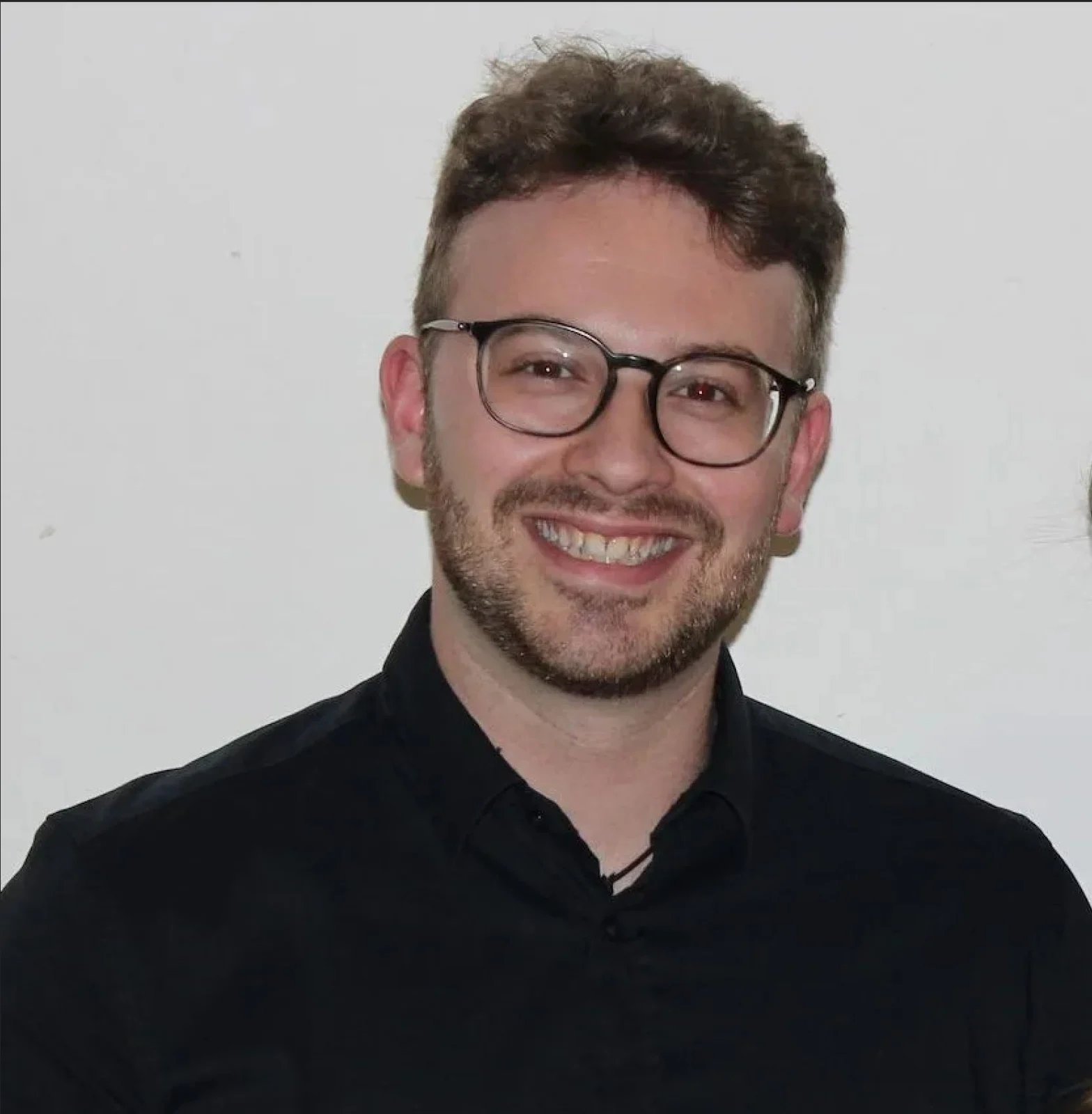
Samuel Compagnin
EHC Steering Committee Liaison
Materials

