Believe, educate, advocate – A #ThisWay Story
In the framework of our #ThisWay Campaign, the EHC interviewed Nir Sharon, a severe haemophilia A patient from Israel. He shared his journey from suffering with every step he took to exercising daily.
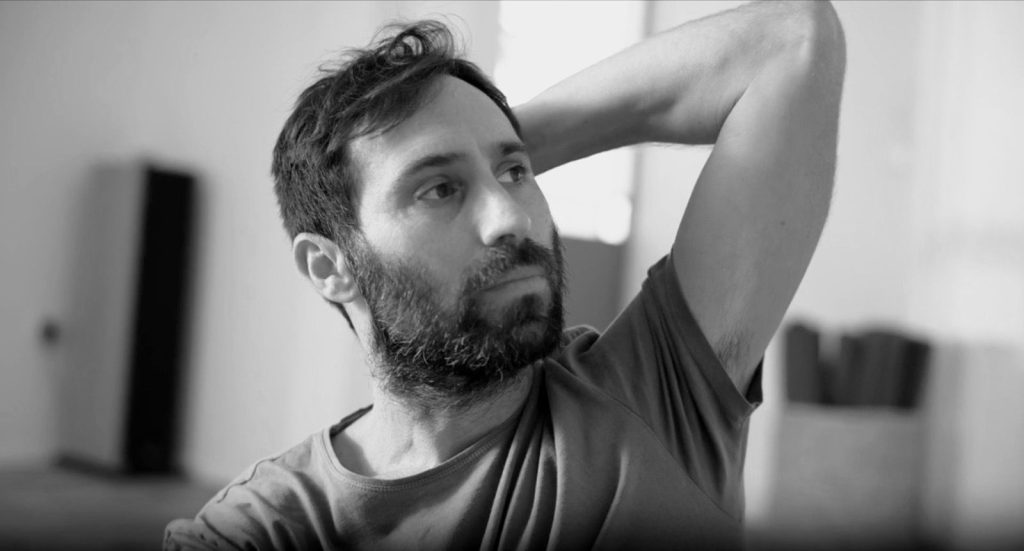
Nir (Israel), a patient with severe haemophilia A
My parents raised me as a completely normal child. I was diagnosed at eight to ten months old after my parents took me to the hospital because I was covered in haematomas. I did not avoid activities, and my parents actively encouraged me to take part in everything. They even told my grandmother not to overreact or panic if I fell at home as a small child.
As I grew older, I started playing tennis and eventually competed at a high national level. I trained twice a day, five to six times a week. To keep up with this training schedule, I injected myself with Factor VIII four to five times a week. I did not tell anyone about my haemophilia and only spoke about it with my immediate family. Until the age of 33, I had never met other haemophilia patients and never attended meetings or camps organised by my national member organisation in Israel. Whenever a letter arrived from them, I threw it straight in the rubbish bin.
At 14, I injured my elbow due to the intensity of my training. Because of my haemophilia, the injury kept recurring, and eventually I realised I had to give up my dream of becoming a professional tennis player and retire. At 16, I turned to capoeira and progressed quickly to a high level, including advanced acrobatics. I performed in restaurants and at weddings, and at the same time, I began a coaching course in tennis.
At 21, I wanted to travel and explore South America. To do this, I had to learn how to manage my treatment independently, as I was injecting Factor VIII four times a week at the time. I travelled for eight months through Ecuador, Peru, Bolivia, Brazil, and Argentina. I carried my treatment in a cooler with ice, and whenever I arrived at a hostel, I immediately looked for a refrigerator. After four months, my mother came to visit and brought enough treatment for the remaining four months. After this experience, I returned to Israel, began studying economics at university, and worked as a tennis coach.
At 27, I started feeling pain in my right ankle. At first, I assumed it was a bleed that factor would help with, but it turned out to be a joint issue. I underwent an arthroscopy, which helped at the time. By the age of 33, I was experiencing pain in both ankles and reached a point where I could no longer stand on the tennis court for several hours to conduct training sessions. I had to leave my job as a tennis coach. This brought fears about the income I had lost, and I found myself envious of people who could simply walk without pain. The pain became chronic, and every step was difficult.
After two years of chronic pain, I began to understand that alongside the physical pain, I was also experiencing ongoing mental suffering. There was pain in my legs and suffering in my mind, and the two were directly connected. The suffering came from the story my mind was telling about the pain. Thoughts like “my condition is only getting worse”, “in a few years I will need crutches”, “I will never be able to do sports again”, and “why is this happening to me”. I entered a state of deep victimisation. With every step, I was not only in pain in the present moment but also afraid of future steps. This kept my body tense, rigid, and under constant stress, which intensified the pain and made it unbearable.
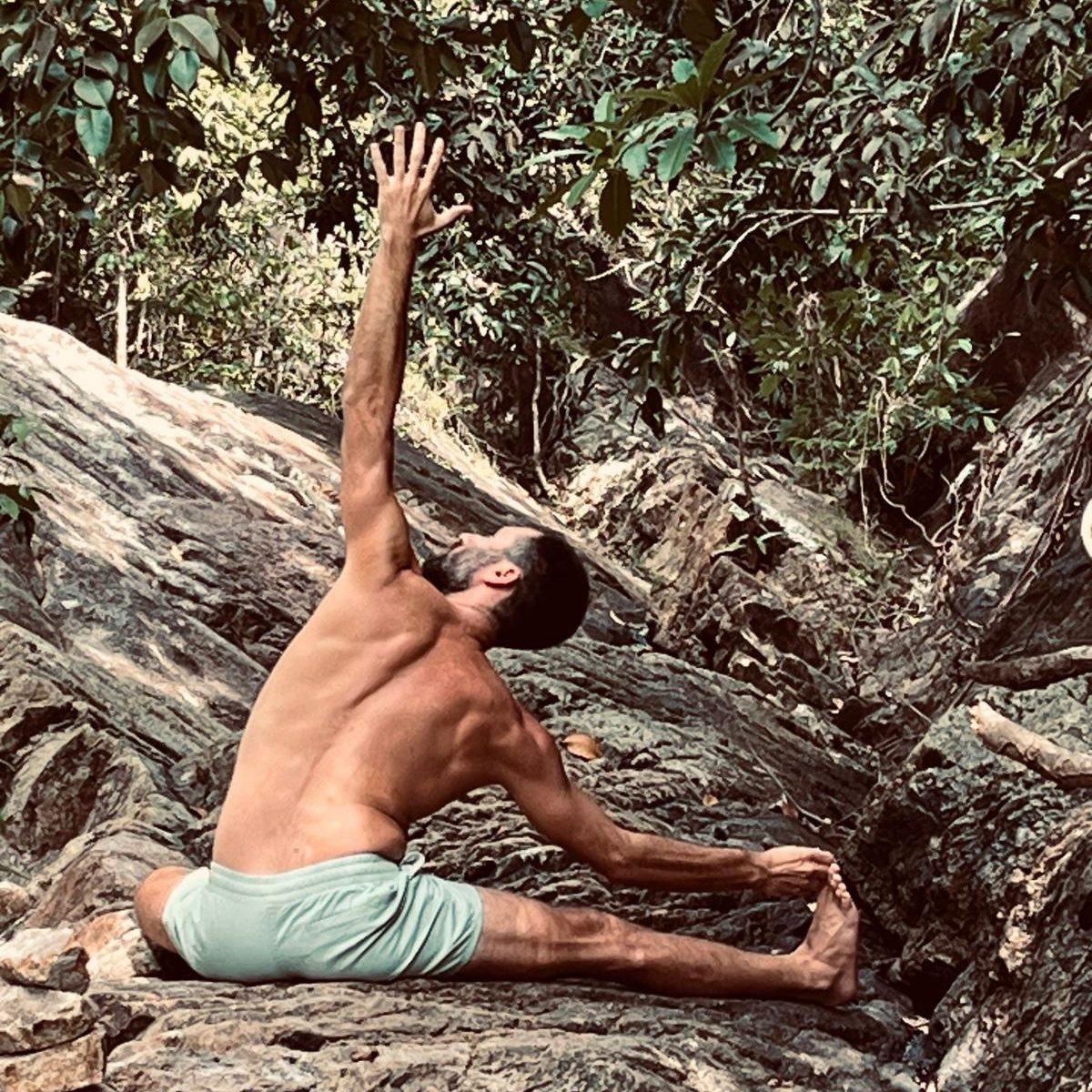
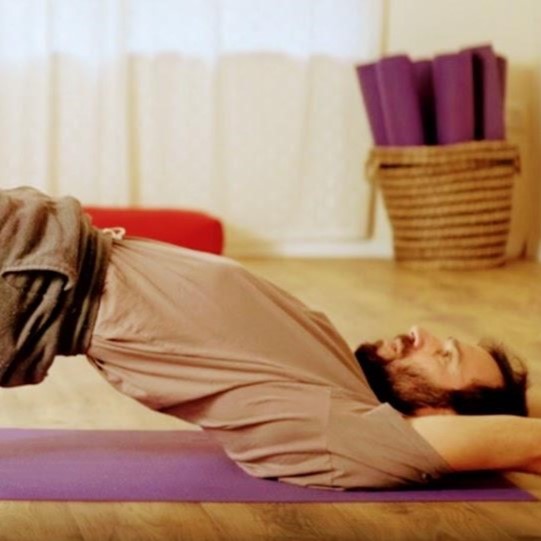
After a period of regular practice, I decided to take a yoga teacher training course. After completing it, I continued with an additional course in therapeutic yoga, while further exploring the mental aspect and the nervous system and their influence on pain, especially chronic pain.
At 40, my physical condition is amazing. I have returned to capoeira training and now attend different movement classes like someone without a bleeding disorder. I can perform exercises I had not been able to do for years, things I never believed I would do again at the height of my pain. Even when pain appears in my legs, I do not become upset. I rest and trust that it will pass. I understand how to work with my nervous system, and my thoughts around pain are no longer overwhelming. In my work as a yoga coach, I mainly support people living with chronic pain from all backgrounds. I guide them to change the story in their minds and return to movement through body awareness and breathing. Alongside my work as a yoga teacher, I also teach guitar, and I would like to combine yoga with sound healing.
Personally, I exercise every day, but that can look very different depending on the day. It might be a walk, breathing exercises, or gently trying different movements if I feel pain somewhere, noticing which movements hurt and which do not. I want to emphasise that you do not need to jog or go to the gym to be active. Doing something, even if it does not feel intensive, still counts as movement and exercise, and it can be very beneficial for your body. You can move gently when one part of your body is hurting and explore what you are still able to do.
Disclaimer: This story reflects the personal experiences, opinions, and choices of the individual featured. It is shared for informational and storytelling purposes only. What worked for this individual may not be appropriate or safe for others, including people with similar diagnoses. Individuals with bleeding disorders should not use this story as medical or fitness guidance. Always consult your physician or healthcare team before starting, changing, or stopping any physical activity, exercise routine, or treatment approach.