

EHC country visit to Romania: advancing bleeding disorders care

An EHC delegation travelled to Bucharest on 2-3 November at the invitation of our National Member Organisation, Asociația Română de Hemofilie (ARH), to discuss how to improve care for people with bleeding disorders in Romania.
The delegation was composed of EHC President Tatjana Markovic, Vice-President William McKeown and Steering Committee Member Marius Tanase. ARH hosted the two-day country visit, which combined a policy roundtable with a visit to one of the country’s leading haemophilia centres.
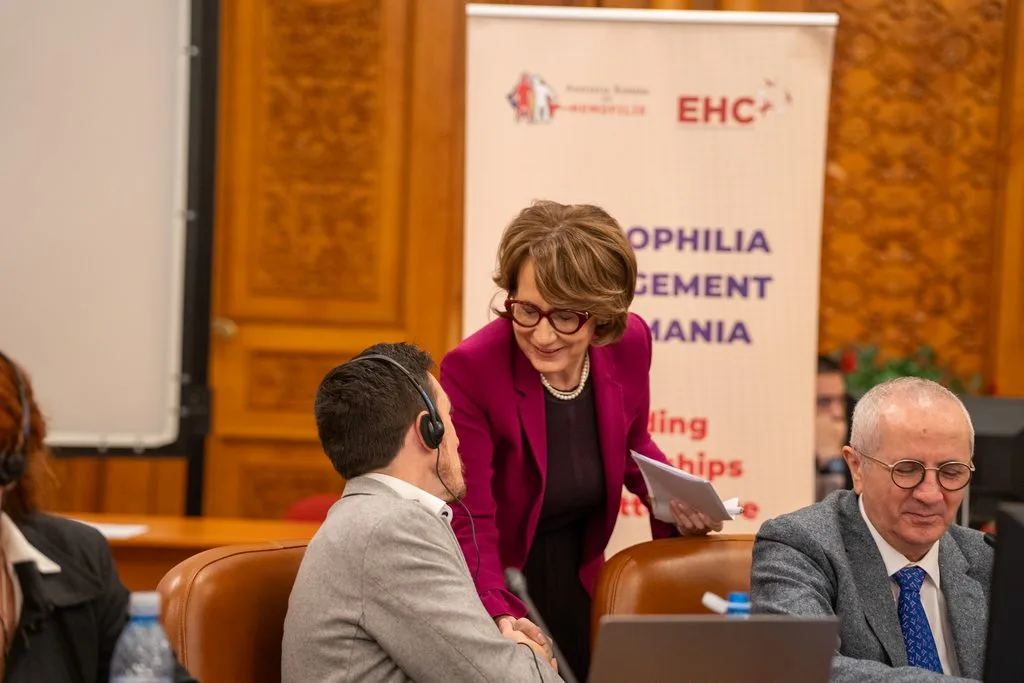
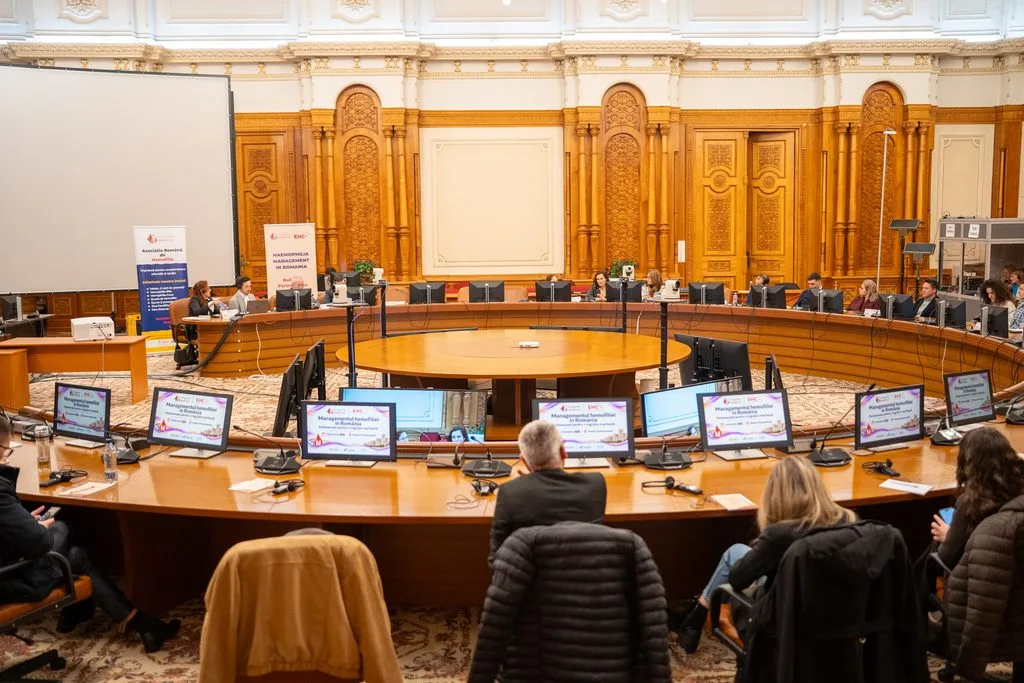
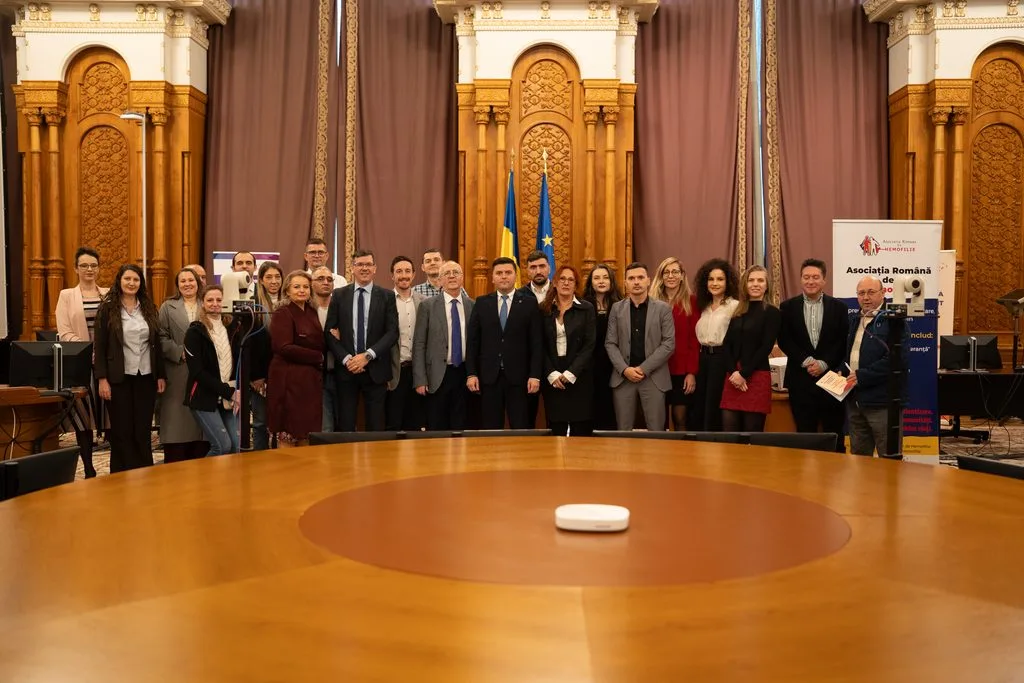
Roundtable at the Romanian Parliament
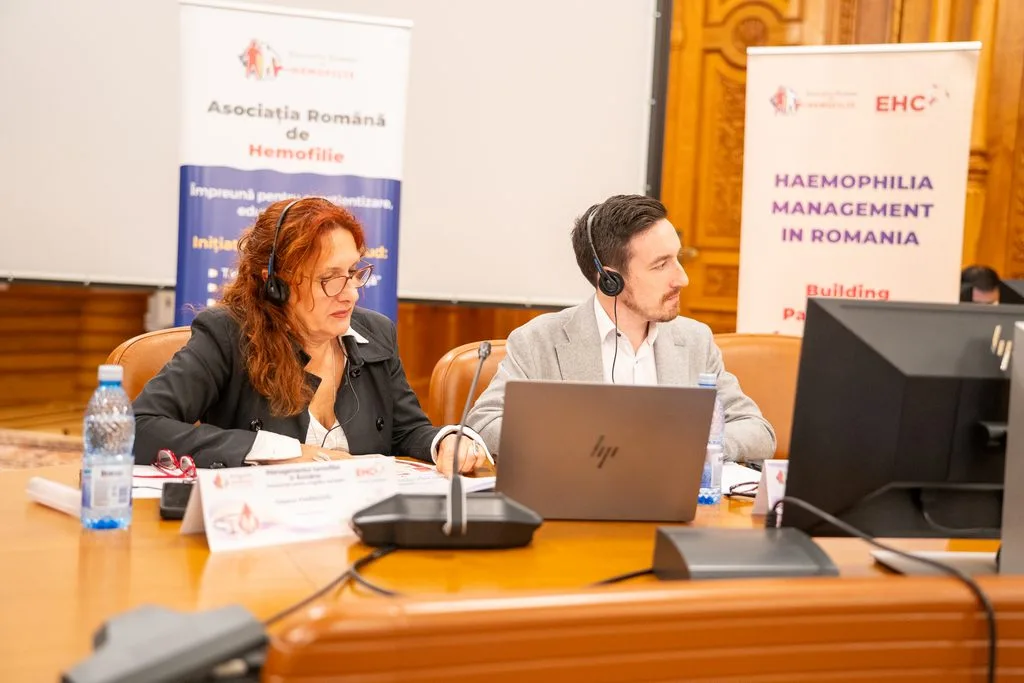
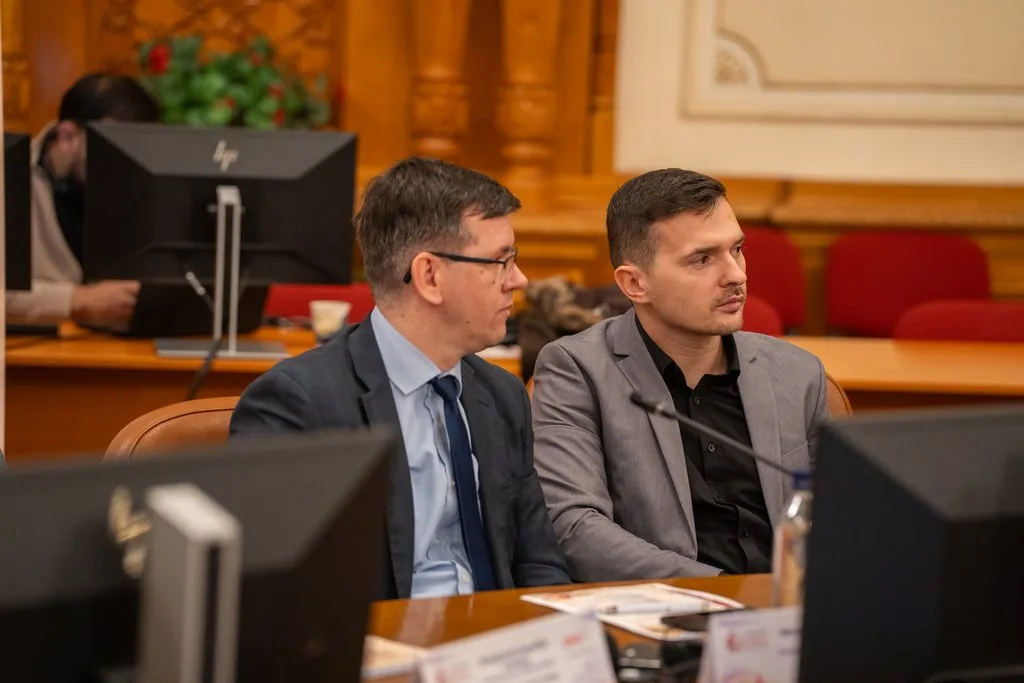
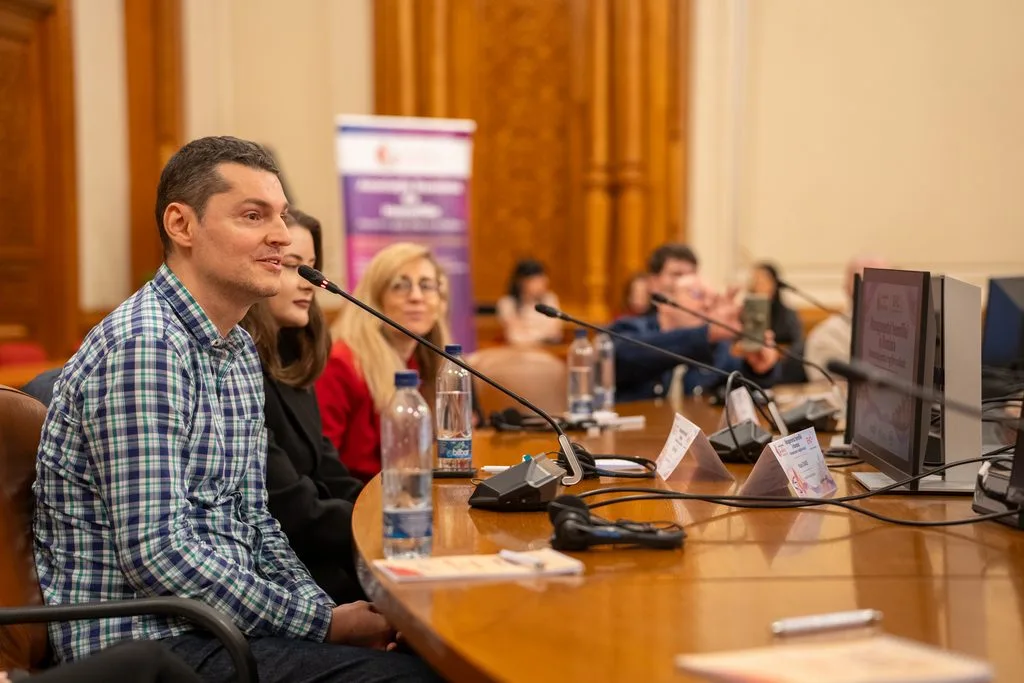
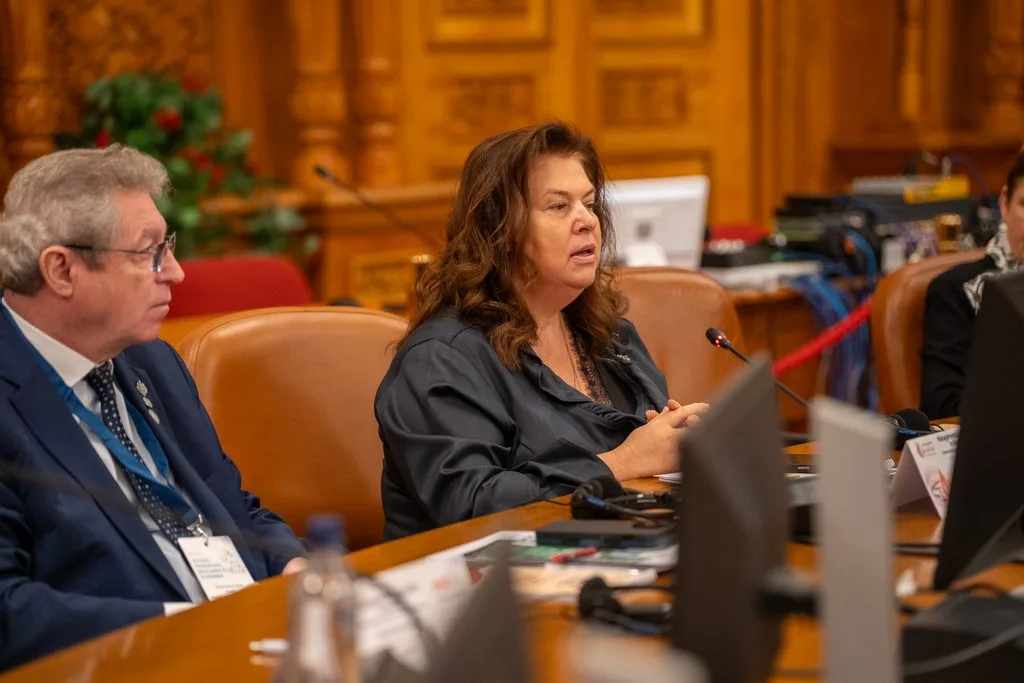
The visit began on 2 November with the roundtable “Haemophilia Management in Romania: Partnerships for Better Care”, held at the Palace of Parliament in Bucharest. The delegation joined ARH and other stakeholders, including Romanian haematologists, representatives of national health authorities, patients and families, and political representatives such as Senators Nicoleta Pauliuc and Carmen Orban, in an open and constructive discussion.
Romania has made remarkable progress, from once having the lowest factor consumption per capita in Europe to now offering access to most modern therapies. However, there is still work to be done, and the discussion focused on four priorities: establishing a national patient registry to understand patients’ needs and improve care; ensuring equitable access to treatment and multidisciplinary care throughout the country; building closer relationships between healthcare professionals and haemophilia centres; and working towards a national tendering system to support sustainable access to treatment.
Visit to the Fundeni Clinical Institute
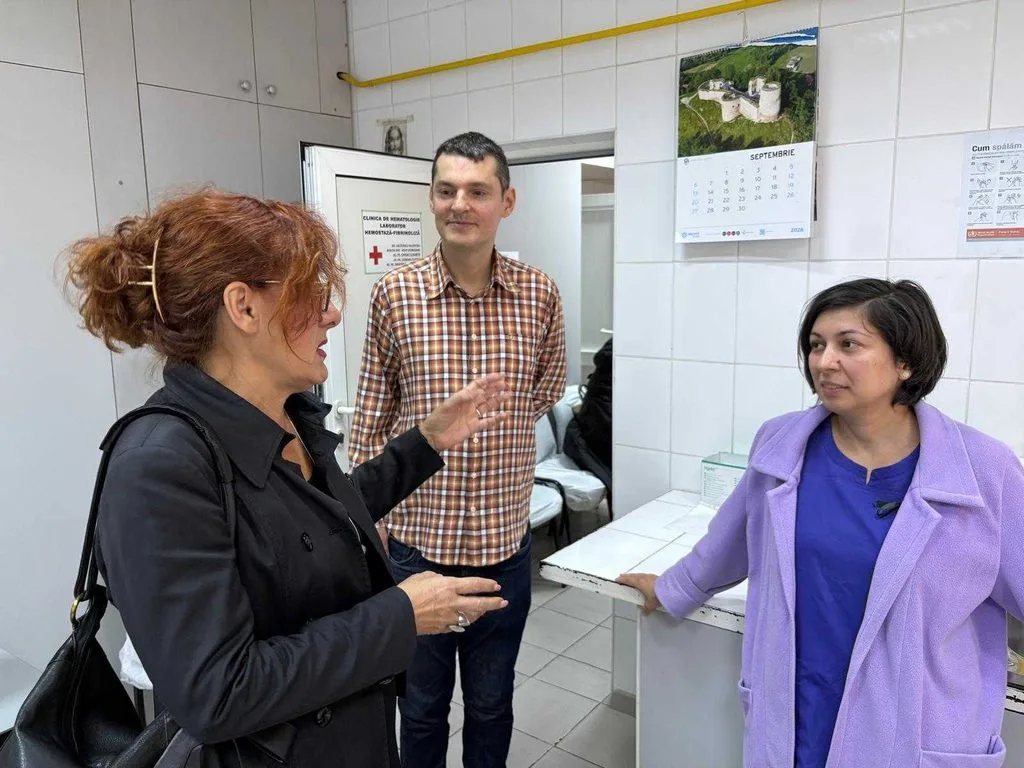
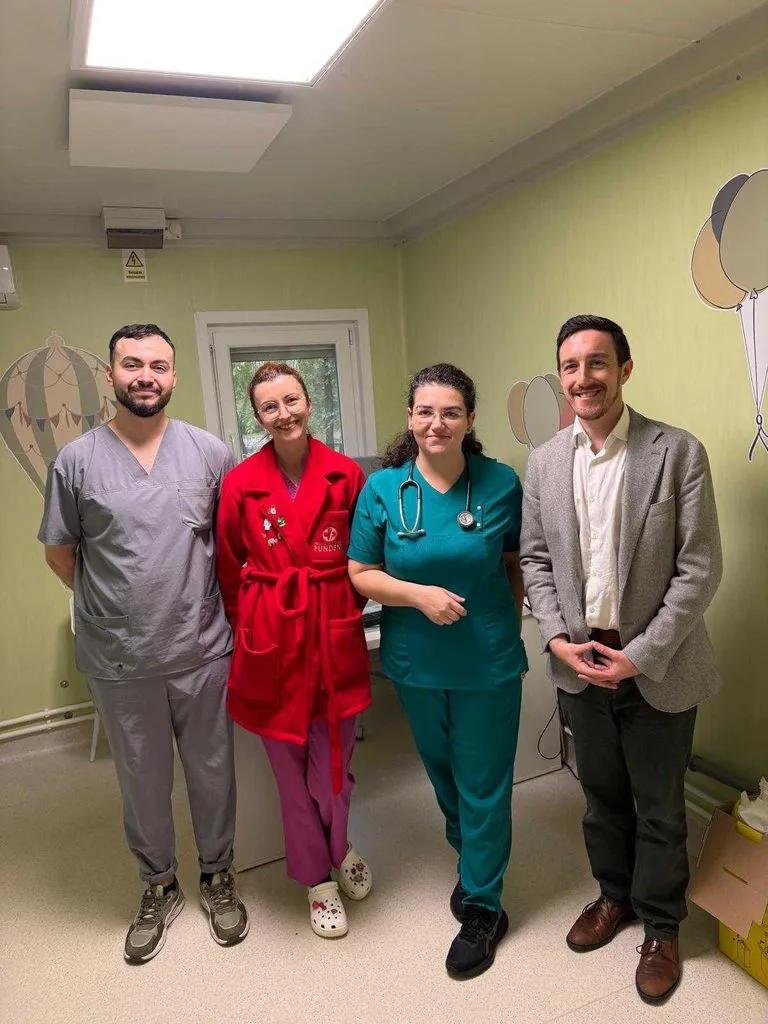
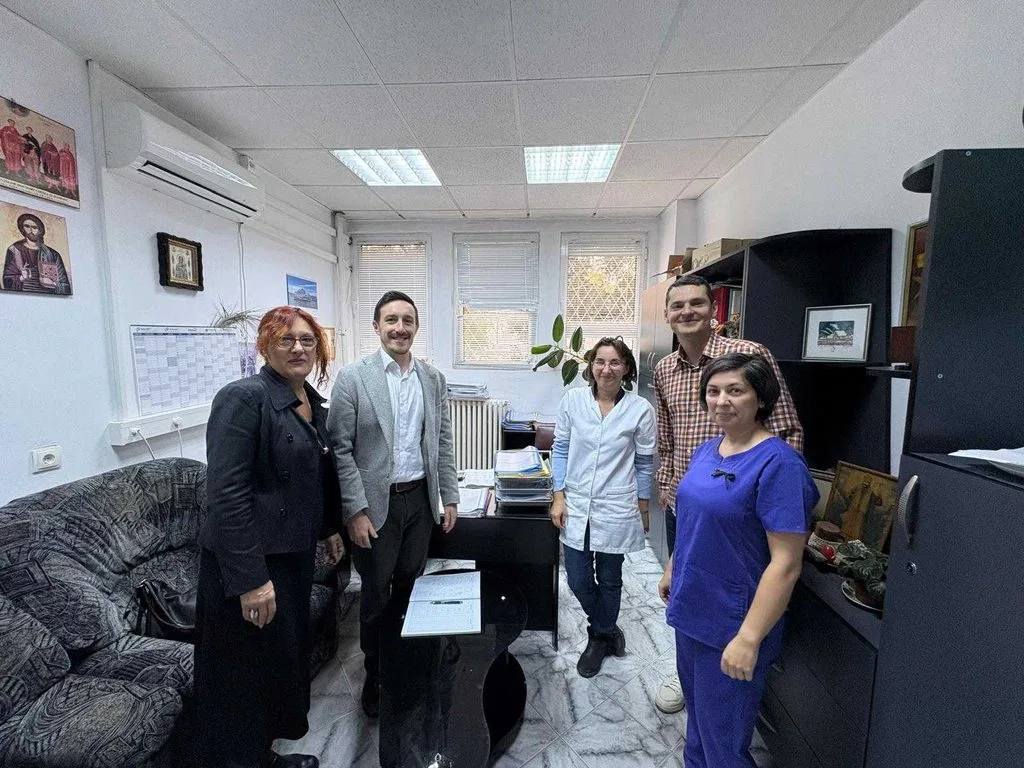
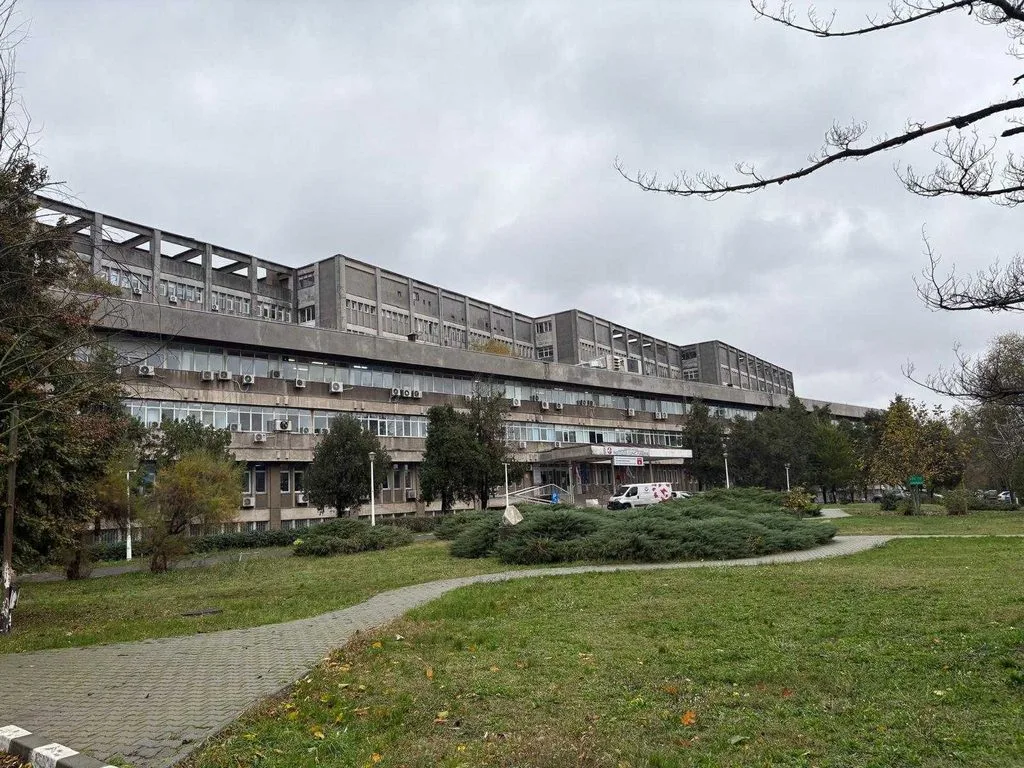
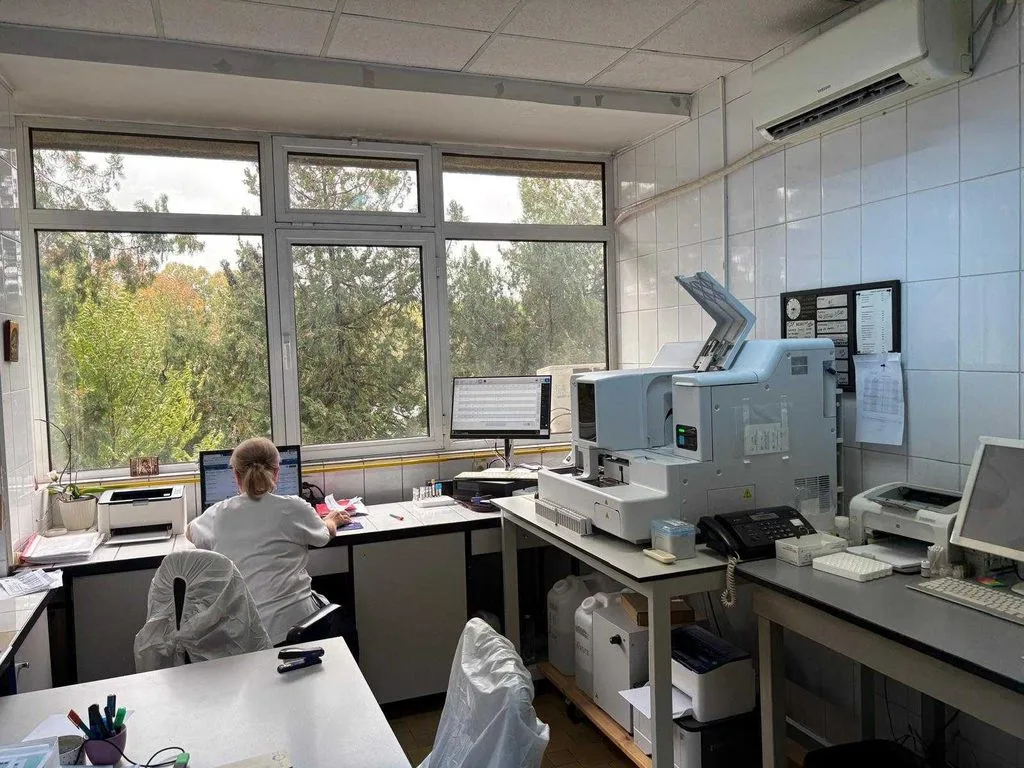
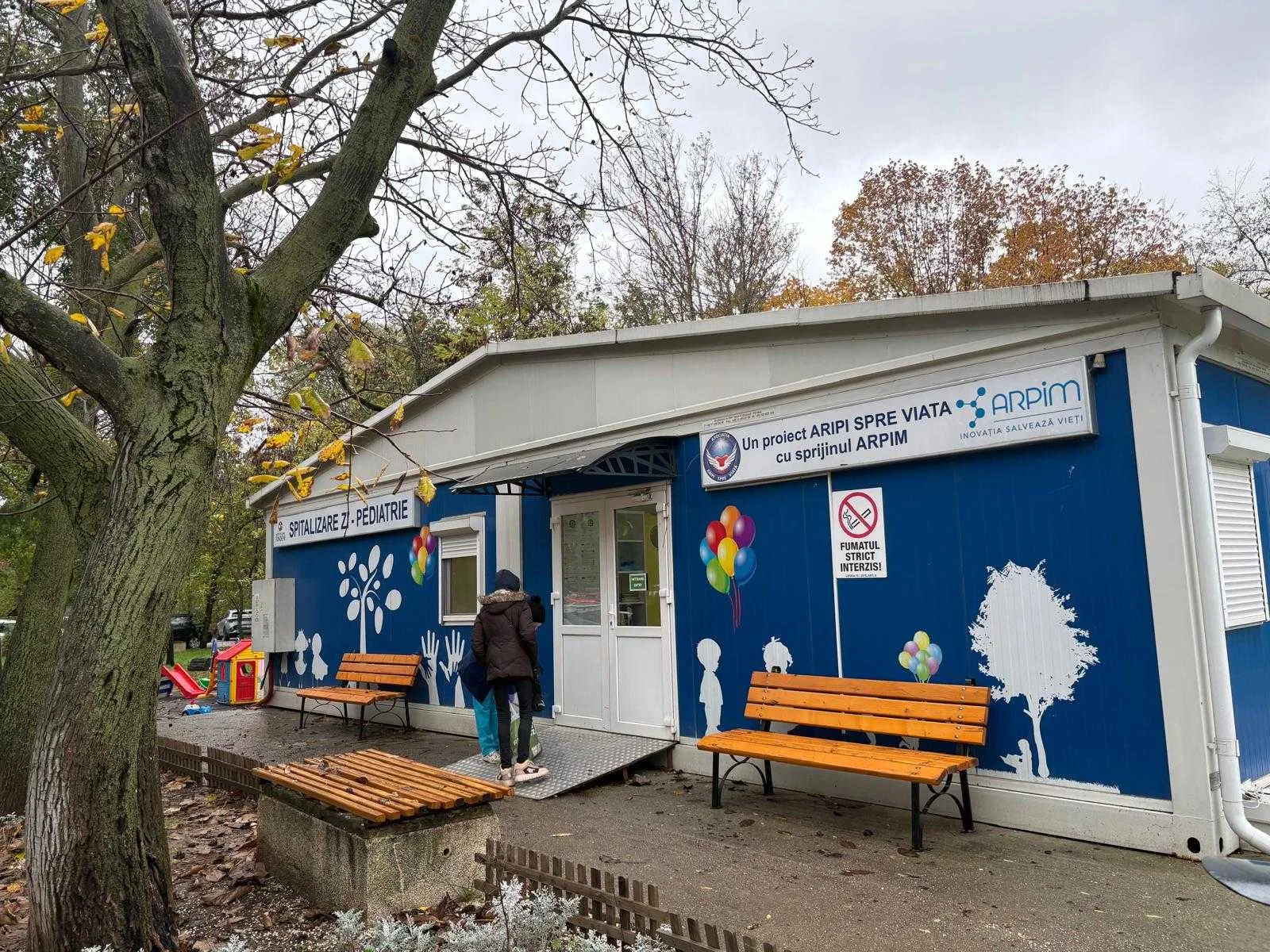
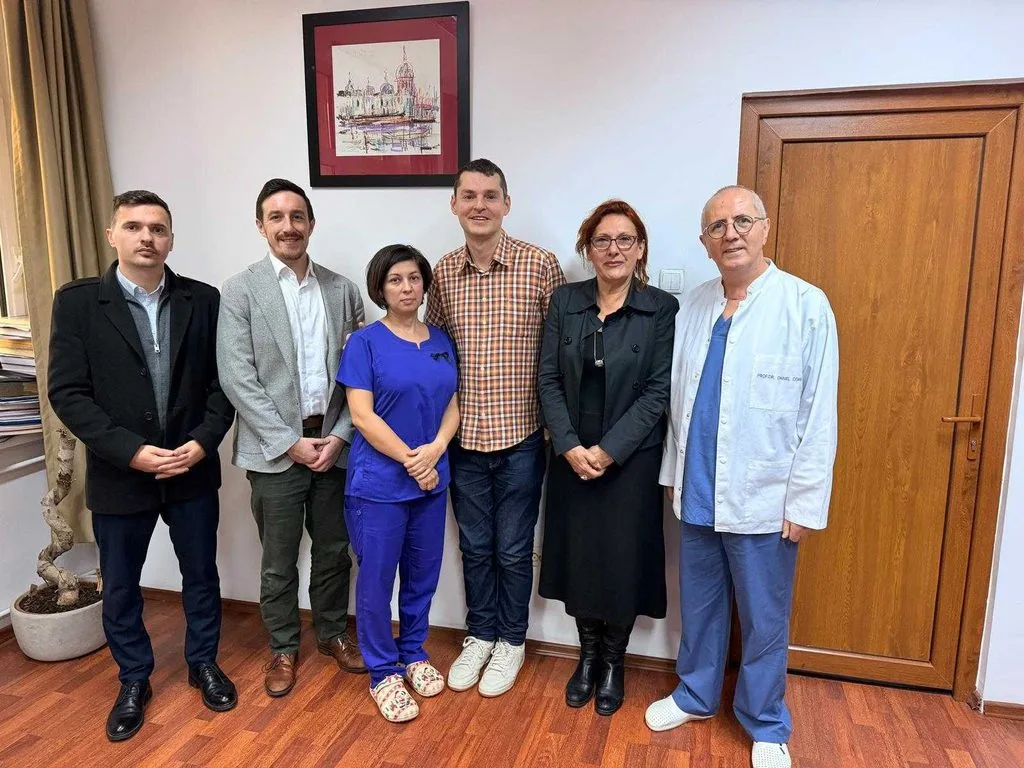
On 3 November, the EHC delegation visited the Comprehensive Haemophilia Care Centre at the Fundeni Clinical Institute in Bucharest. The clinical team gave the delegation a warm welcome and showed them the adult haemophilia clinic, laboratory, paediatric unit, and outpatient clinic.
The delegation was hosted by Professor Daniel Coriu, Centre Director and Head of the Romanian Haematology Association, together with Dr Melen Brînză, Dr Ana-Maria Marcu and Sorina Hîncu, who leads the pharmacy service supporting the safe provision of clotting factor treatments.
Discussions with the Fundeni team covered stronger collaboration between treaters and centres across Romania, certification processes for centres and treaters, and a national registry with a dedicated secretariat to improve data collection and support service development.
Progress and next steps
The visit highlighted both Romania’s achievements in bleeding disorders care and the opportunities ahead. Better care starts with patients, clinicians and decision-makers working together. EHC is proud to support ARH in this work and will continue to work with our Romanian member organisation as these priorities move forward.
EHC would like to thank ARH, the Fundeni team, the parliamentarians and political representatives who took part in the roundtable, and everyone else involved for their hospitality, openness, and commitment to people with bleeding disorders.
See similar articles


