
Women and Bleeding Disorders (WBD)
“Women and girls with bleeding disorders face numerous additional challenges, including monthly bleeding, pregnancy, and childbirth, that require better research and recognition, to bridge the significant gap in equitable care that we are striving to achieve across Europe.”
Aspect-based
About women and bleeding disorders
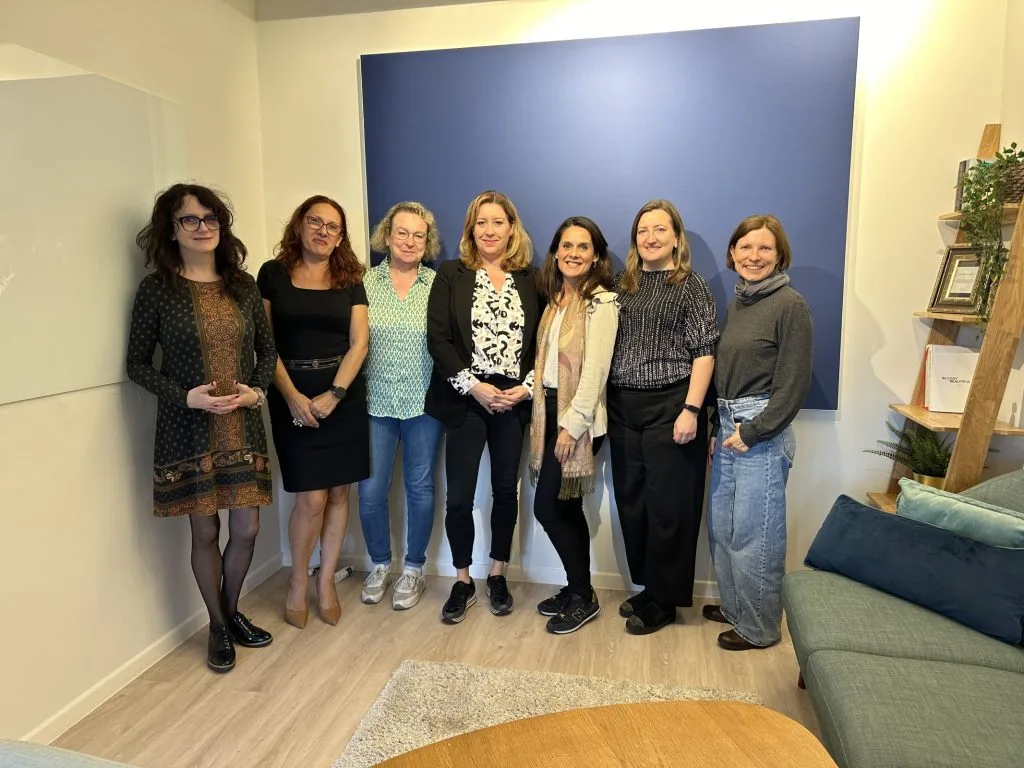
The WBD Committee of the EHC officially started in 2018. Since then, committee members meet every month to advance their cause: creating awareness, recognition, support, and education about and for women in the bleeding disorder community at the European level.
Bleeding disorders affect both men and women, with women often experiencing amplified symptoms during menstruation, childbirth, and perimenopause, including heavier and longer menstrual flows, increased pain, and a higher risk of haemorrhagic ovarian cysts and endometriosis. Due to the misconception that these disorders only affect men, many women remain undiagnosed and untreated.
To get involved or learn more about the WBD Committee, please contact Zita Gacser, Community and Projects Lead.
WBD Committee Members
Slovenian NMO
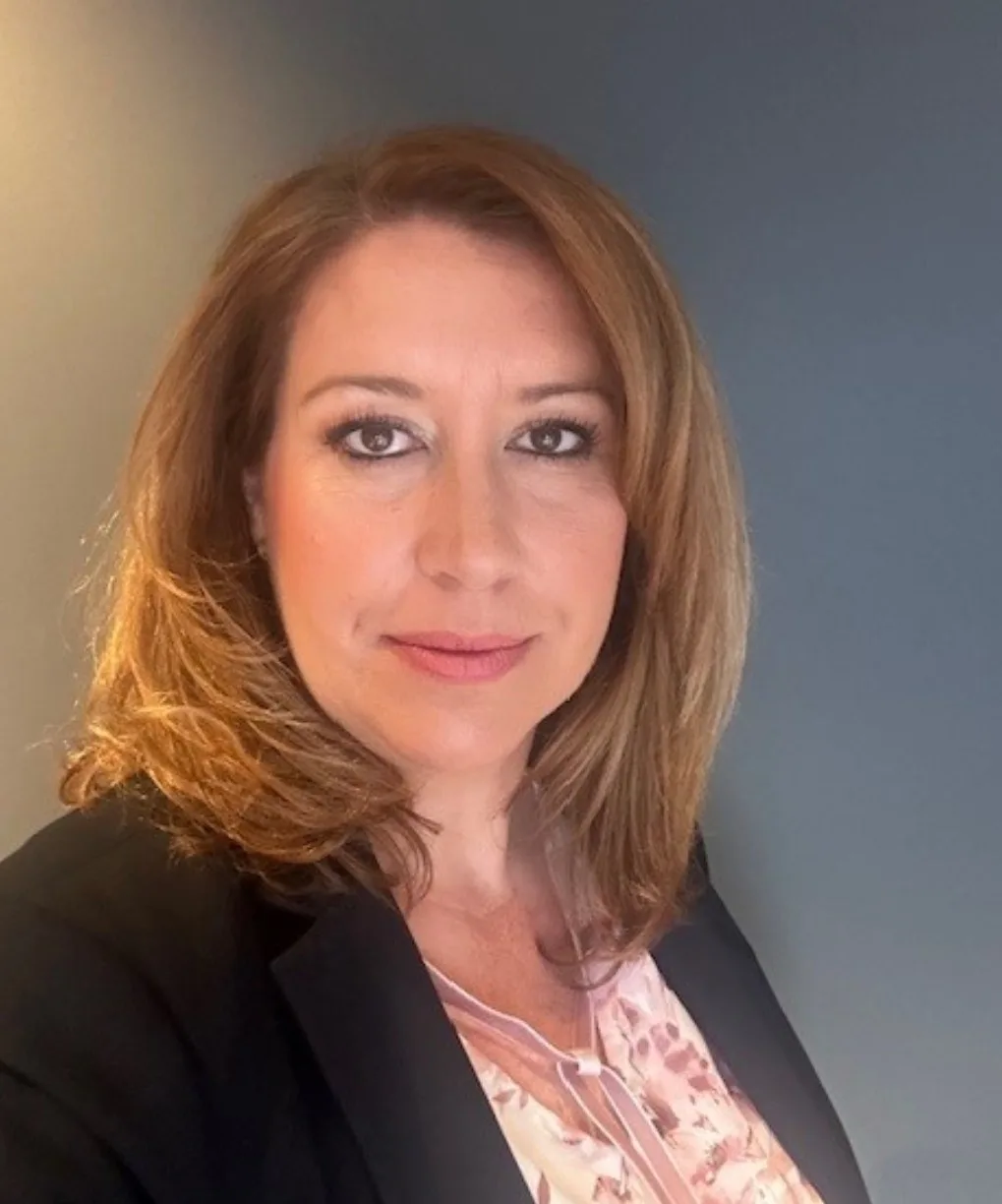
Brina Zaman
Committee Chair
Swedish NMO
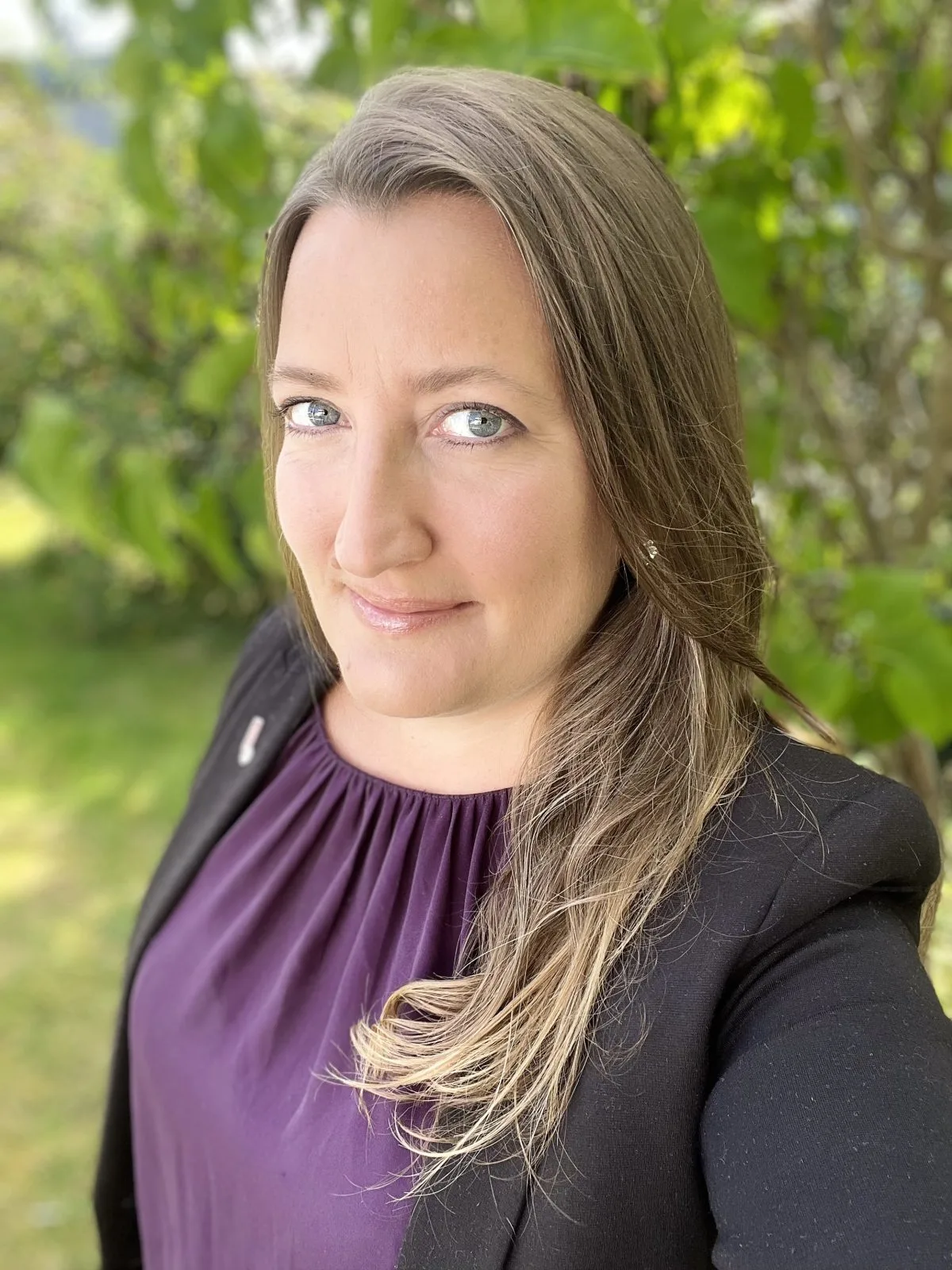
Anna Tollwé
Committee Member
Austrian NMO
Marion Bräuer
Committee Member
Dutch NMO
Eke Hullegie
Committee Member
Swiss NMO
Camilla Wensing
Committee Member
Belgian NMO
Audrey Renkin
Committee Member
United Kingdom
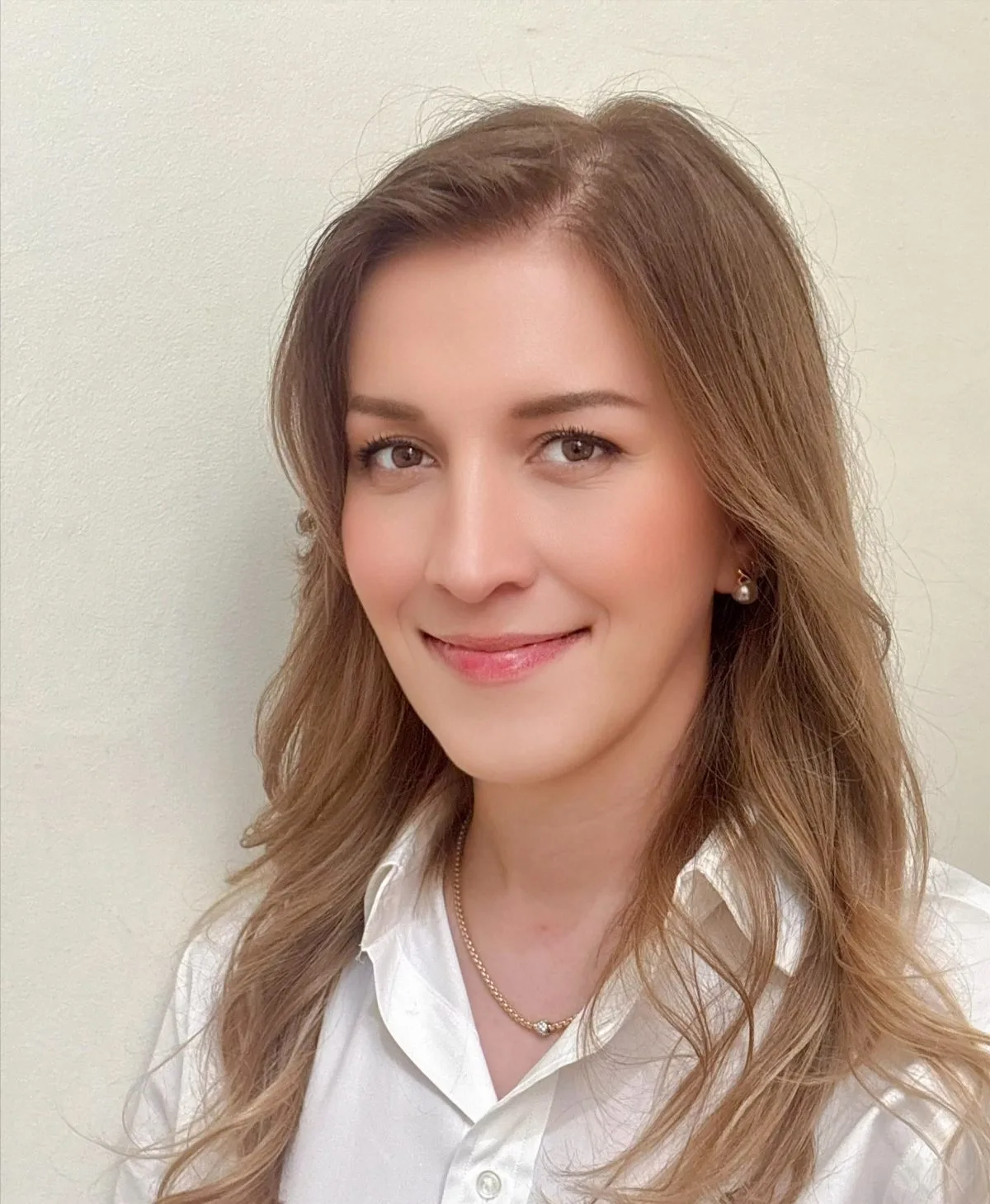
Dr. Ozlem Turan
Committee Member
Serbian NMO
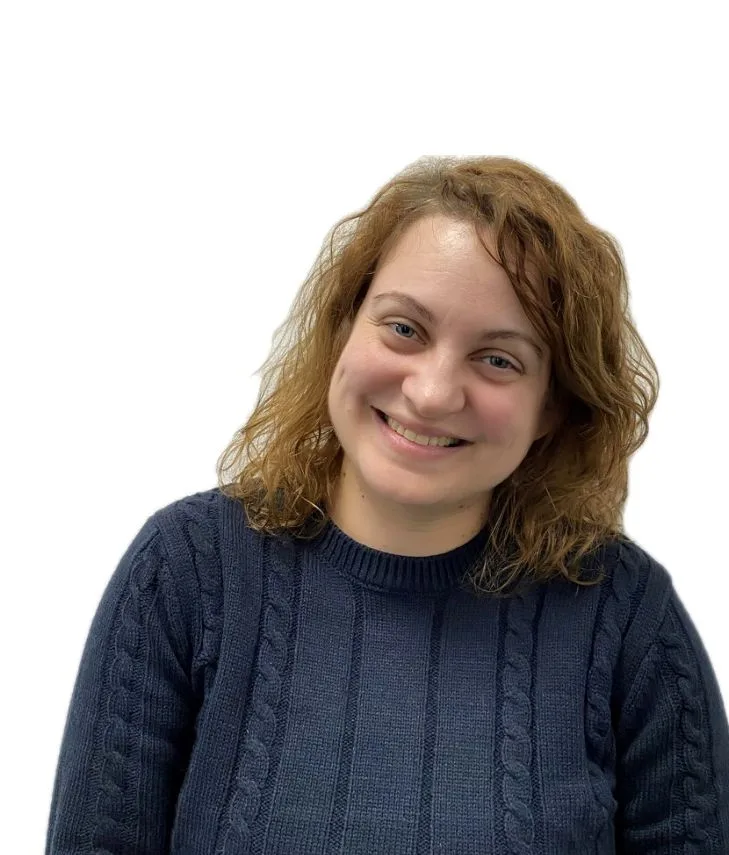
Aleksandra Ilijin
Special Advisor
Serbian NMO
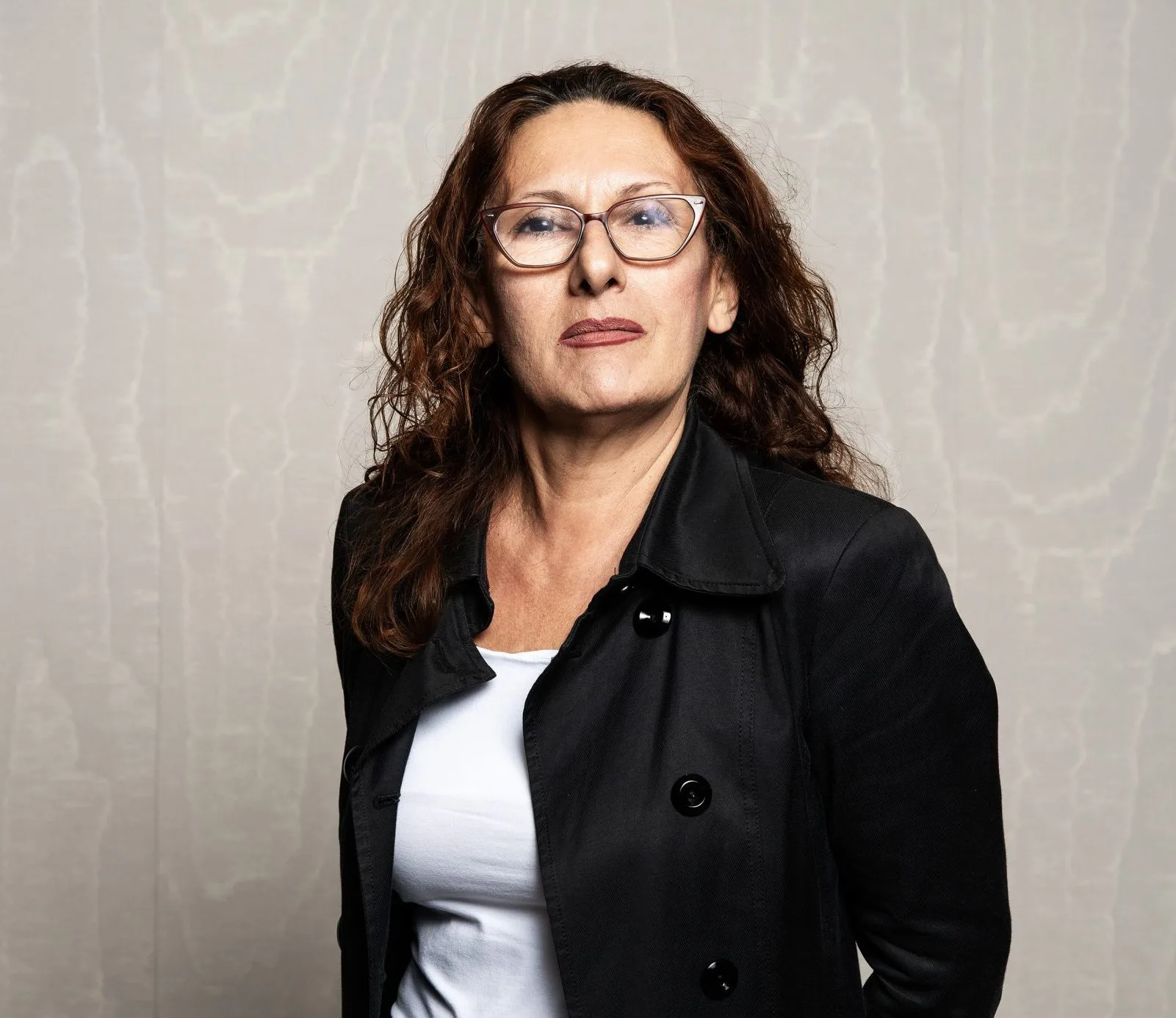
Tatjana Markovic
EHC Steering Committee Liaison
Upcoming Events


Resources
EHC Booklet “Is haemophilia (fe)male”
Women and girls with haemophilia and female haemophilia carriers often face significant healthcare barriers, including a lack of recognition, delayed diagnoses, and limited access to care.
“Is haemophilia (fe)male?” is a booklet created by the EHC and focusing on female haemophilia carriers and women and girls with haemophilia, exploring their clinical realities, lived experiences, and the systemic gaps they face. It is available in different languages on the EHC Academy.
Materials